Why Your Bobber Keeps Sinking Without a Bite — and How to Fix It
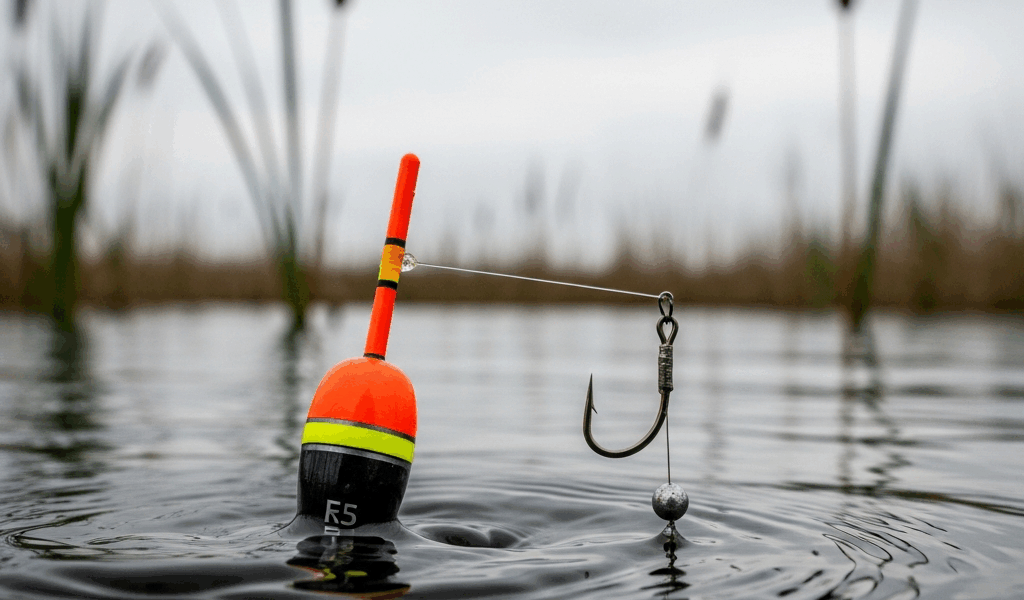
Bobber fishing has gotten complicated with all the conflicting advice flying around. But honestly, the problem most anglers run into isn’t complicated at all — it’s just misdiagnosed. You cast out, the bobber settles, and within two or three minutes it’s dragging under. No strike. No tension on the line. Just this slow, maddening sink like something heavy is attached down there when nothing is. I’ve lost entire afternoons to this exact thing. Most bobber fishermen have.
Here’s what I know now: it’s never mysterious. One specific thing — sometimes two — is pulling your float under, and once you find it, you’re looking at maybe a three-minute fix. That’s what makes bobber fishing endearing to us float-and-wait types. The problems are almost always mechanical. So, without further ado, let’s dive in.
Your Bobber Stop Is Set Too Shallow — The Most Overlooked Culprit
Probably should have opened with this section, honestly. Depth is where most float problems start and where most anglers never look. Set your bobber stop too close to the hook and your bait drags bottom. Hook dragging bottom doesn’t float. It pulls. And what it pulls is your bobber — slowly, steadily, with no fish involved whatsoever.
I wasted a full afternoon at a small pond outside of Decatur once. Kept thinking I was missing bites. Turns out my hook was literally scraping mud while my bobber stop had me set at two feet of water in a four-foot hole. Don’t make my mistake.
Test depth the way old-timers do — cast out and watch the line angle as it sits. Steep angle going straight down? Too shallow. Slack or a gentle arc? You’ve got room. The line should be taut but relaxed. Not rigid. Not loose.
Move your bobber stop up the line six inches. Cast again. Still sinking in the same spot? Another six inches. Keep going until the float sits level and stable for at least a full minute without any pull. When you find that depth, mark it. A quick swipe of a Sharpie on the line, or a small knot you can feel with your fingers — something. You’ll accidentally slide that stop back to the wrong position between sessions more times than you’d expect.
Your Bobber Is Too Light for What You Are Rigging — The Weight Mismatch
But what is a bobber mismatch? In essence, it’s running more weight below the surface than your float can support. But it’s much more than that — it’s also about live bait, hook size, and how all of it adds up against your float’s buoyancy rating.
A one-inch foam peg bobber and a three-inch Thill slip bobber are not the same tool. They’re not interchangeable, and treating them like they are causes exactly this problem. Rig a quarter-ounce sinker — or anything heavier — with a small float and the weight overpowers the buoyancy. Add a lively shiner on top of that sinker and now you’ve got a rig that’s fighting to stay up from the second it hits the water.
Simple field test before you ever cast: drop your rigged setup into a five-gallon bucket of water. It should float cleanly with roughly one inch of the bobber still showing above the surface. If it’s struggling to stay up in still water inside a bucket, it has no chance in a pond.
Switch to a slip bobber if you’re running a heavier rig. The Lindy No-Snagg and the Thill Center Slider are both solid — they handle more weight than a peg-style float and give you tension adjustment you just don’t get otherwise. If you’d rather keep a small fixed bobber, downsize everything below it. Split shot instead of a full sinker. Half a crawler instead of a whole one. That’s not a compromise — it’s actually more effective for bluegill and small bass anyway.
Current or Wind Is Dragging Your Line — The Force You’re Not Thinking About
Still water doesn’t exist. A pond that looks completely flat still has subsurface movement near edges, drop-offs, inlets. Rivers are obvious. But even on calm lake mornings, wind pushes the surface layer, and that surface layer pushes your line, and your line pulls your bobber at an angle until — slowly, not dramatically — it goes under.
You’ll notice this most clearly fishing a bank with wind blowing into you. Cast out, watch for thirty seconds, and that bobber will creep lower even though nothing has touched your bait. It looks like a bite. It isn’t. The water is just moving your whole rig sideways and down.
The fix is mending — something fly fishermen do constantly but bobber anglers almost never think about. After you cast, let the line settle, then gently lift your rod tip and reposition the line so it runs straighter from your rod to the float. That removes the angle current grabs onto. Do it every minute or so. Your bobber will sit dramatically more stable.
Wind giving you real trouble? Change your casting angle. Instead of going perpendicular to the bank, cast slightly upwind. Gives you more time before drag becomes a problem — usually enough time to actually detect a real bite when it happens.
Your Live Bait Is Doing the Pulling — The Swimmer Problem
A lively three-inch shiner wants to go somewhere. A big nightcrawler thrashes. Large crickets — the kind you buy in the little cardboard cartons at bait shops for about $3.50 — jump and pull. All of that activity creates real tension below the surface. And tension pulls your bobber down.
I’m apparently a live-bait guy, and shiners work for me while nightcrawlers never quite behave the same way. A shiner pulling your bobber down has a different feel than a bite — slower, steadier, almost rhythmic. A bite is sudden or deliberate. Once you’ve felt both, you’ll tell them apart. Until then, it’s maddening.
If you’re targeting bigger fish that want active bait, upsize the float rather than changing bait. A larger bobber handles the extra resistance without sacrificing the action fish are responding to. Chasing panfish or smaller bass? Go with one small shiner or a half crawler. More effective anyway — and it won’t sink your float every forty-five seconds.
Slightly deadening your bait can help too. A shiner that’s had five or ten minutes in a cooler is still attractive but doesn’t pull nearly as hard. Hook it more gently — through the back just in front of the dorsal rather than through the lips — and it conserves energy, moves naturally, but stops fighting your float.
How to Dial In Your Bobber Rig So It Sits Right — The Fast Fix Sequence
Start with depth. Move your bobber stop until your hook clears bottom by at least twelve inches. That one fix alone solves more than half of sinking-bobber complaints.
Then match your float size to the weight of your total rig — sinker, hook, and bait combined. If the bobber is struggling in a bucket, it’ll fail on the water. Go bigger on the float or lighter on the rig below it.
After you cast, mend the line. Remove the angle that current and wind use to drag you down. Takes five seconds and makes a real difference.
Finally — if your bait is actively pulling, either downsize it or upsize the float. One of those two will solve it. Work through this sequence once, adjust as you go, and your bobber will sit exactly where it’s supposed to. You’ve got this.



Stay in the loop
Get the latest fish blog updates delivered to your inbox.