What Limp Fishing Line Actually Means
Limp fishing line has gotten complicated with all the conflicting advice flying around. Stretch it, replace it, switch to braid — everyone’s got an opinion. I’ve stood on the water yanking at my line like an idiot, trying four different fixes that all turned out to be wrong for my actual problem. Today, I will share everything I figured out, so you don’t waste a Saturday the way I did.
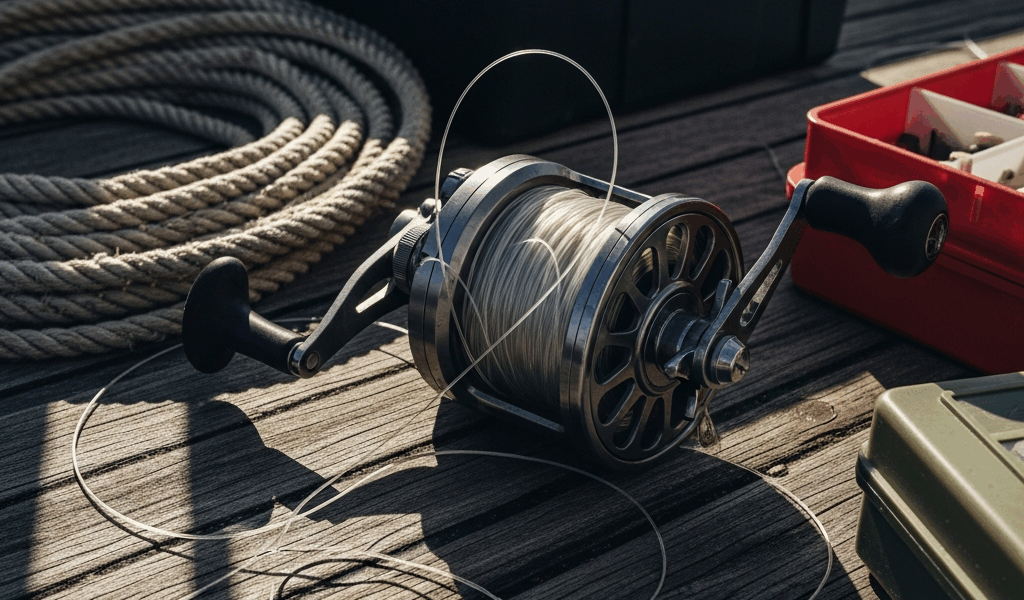
Here’s the thing: limp line isn’t one problem. It’s at least two distinct ones that feel identical when you’re mid-cast. There’s true slack — line that visibly sags and droops where it shouldn’t. Then there’s memory, which is that coiled, spring-like mess that spools off in tight spirals. Both feel like failure. Neither is permanent.
This breakdown goes through the most likely causes first — the stuff you can diagnose and fix standing right there on the bank — and works toward the fixes that require you to actually go home. So, without further ado, let’s dive in.
Line Memory Is Probably the Culprit
Probably should have opened with this section, honestly. Memory is behind nine out of ten limp-line complaints, and most anglers waste time chasing other explanations before circling back to it.
But what is line memory? In essence, it’s monofilament or fluorocarbon retaining the coiled shape of whatever spool it lived on. But it’s much more than that — cold water accelerates it, cheap spools make it worse, and long storage basically bakes that spiral shape into the line permanently. Fall and winter fishing is where memory really bites you. Cold-soaked mono below 45°F goes almost plastic-stiff in its refusal to lay flat.
Here’s the quick test: cast and watch the first 10 feet coming off your reel. Tight visible coils? That’s memory. Run your fingers down the line — if it feels bent and kinked but not soft or grainy, you’ve got your answer.
Two fixes work right there on the water. First, you should stretch the line manually — at least if you want results that last through the session. Grab it with both hands about three feet apart and pull firm for two or three seconds. Work along the full length, doing it five or six times. The friction warms the mono just enough to relax the coils. Not a permanent fix, but it buys you a full day of clean casts.
Second option is braided mainline. I’m apparently a cold-weather bass angler primarily, and 20-pound PowerPro braid works for me while 8-pound mono never lays flat once November hits. Braid simply doesn’t hold memory the way mono does. A decent 150-yard spool runs $15–25. Don’t make my mistake of re-stretching the same mono all winter when braid just solves it outright.
If stretching the line straightens things out for the rest of your session, memory was the problem. Move on. If not, keep reading.
UV Damage and Old Line Break Down the Spine
Sunlight wrecks monofilament and fluorocarbon in a specific order — tensile strength goes first, then stiffness, then the line goes genuinely, uniformly limp. Not kinked. Soft. Weak throughout, like wet string.
Frustrated by what I was convinced was memory, I stretched my 4-pound Trilene XL on an ultralight rig over and over one August morning. Cast after cast, zero improvement. I finally held the line up against the sky — and there it was. That chalky, slightly whitish surface that means the UV has already done its work.
Run the suspect section between your thumb and forefinger slowly. Real UV damage feels grainy or faintly rough — not smooth the way fresh line does. Bend a short section sharply. If it crinkles or holds a white crease instead of springing back, that line is done. Doesn’t matter that you spooled it six weeks ago. Summer sun fishes eight hours a day, three days a week, and mono degrades in four to six weeks under those conditions.
Winter is more forgiving — that same spool can go eight to ten weeks before showing real wear. If you fish once or twice a month year-round, monthly replacement is honestly overkill. Every six to eight weeks is plenty.
Braided line resists UV better than mono — though it’s not immune. Good braid runs $20–35 for a quality 150-yard spool, but you typically get eight to twelve weeks before it shows meaningful wear. That tradeoff makes more sense the more frequently you fish.
Wrong Line Weight for the Rod and Reel Combo
Here’s the mistake everyone makes at least once: running line that’s too light for the rod rating. A 6-pound mono on a medium-heavy rod won’t load the blank properly on the cast. The line sags visibly — not because it’s damaged, not because of memory — just because it’s underweight for the application. It feels limp because it is underloaded.
That rating printed near the handle — usually something like “8–17 lb test” — isn’t a suggestion. It’s the window where the rod actually performs. Stay in it.
Quick practical breakdown: ultralight rods around 5 to 5.5 feet take 4–6 pound mono. Light rods take 6–8 pounds. Medium rods take 8–12 pounds. Medium-heavy takes 12–17 pounds. Heavy rods start at 17 pounds and go up from there. Too light and you get sag. Too heavy and you get casting problems — but that’s a separate conversation.
[Lighter line] might feel smoother on the cast, as that sensation leads a lot of anglers to under-spool. That is because lighter line genuinely does fly through the guides with less resistance — it just doesn’t behave correctly once it’s out there.
Check your rod’s printed rating right now. If it says 8–15 pounds and you’re running 6-pound mono, respool with 10-pound. The difference on the very next cast is immediate and obvious.
How to Fix It Fast Before Your Next Cast
- Stretch the line. Grab it between your hands and pull firm five or six times along the full length. If limpness disappears for the session, memory was the issue — start doing this at the beginning of every cold-weather trip going forward.
- Inspect for UV damage. Run the line slowly between your fingers and feel for chalky, grainy texture. Bend it sharply and watch for white creases or crinkles. Soft and brittle means it’s done. Replace it — don’t wait for a break-off on a good fish.
- Check the rod rating. Find the printed spec near the handle and confirm your line weight falls inside that range. Under-spooled rigs sag on every cast. Respooling with the correct weight fixes this immediately.
- Switch to braid if memory is a recurring problem. If you fish cold water regularly or you’ve been running the same reel for months without refreshing the line, braided mainline eliminates the memory issue entirely. Higher upfront cost, but you stop fighting the line every single session.
One of these four is your problem. Start with the inspection and stretching — both take about ninety seconds on the water — and work toward respooling only if the quick fixes don’t hold. You’ll be casting tight lines again well before your next session.




Stay in the loop
Get the latest fish blog updates delivered to your inbox.