
A useful fishing gear list starts with where you will fish, the species you expect, and how you plan to present bait or lures. Buying “top-rated” equipment without those answers often produces a mismatched rod, line that is too heavy or too light, and a tackle box full of items that never touch the water.
This guide organizes fishing equipment by function and fishing style. It covers the core rod-and-reel system, terminal tackle, handling tools, safety equipment, and the additions that make sense for freshwater banks, bass fishing, piers, boats, fly fishing, and ice fishing.
The Essential Fishing Gear Categories
Most recreational fishing setups include six categories. You may not need every item on every trip, but understanding the categories prevents important gaps.
- Rod and reel: the casting, presentation, and fish-fighting system.
- Line and leader: selected for the reel, target species, cover, water clarity, and abrasion risk.
- Terminal tackle: hooks, weights, swivels, floats, snaps, and leaders attached near the working end of the line.
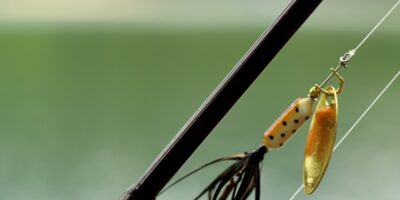
- Baits and lures: chosen for local rules, species, depth, forage, and conditions.
- Landing and release tools: pliers or forceps, line cutters, a suitable net, and measuring equipment.
- Safety and trip gear: license, regulations, personal flotation device when appropriate, weather protection, water, first aid, and communication.
The U.S. Fish and Wildlife Service’s first-time fishing guide uses the same practical foundation: license, rod and reel, line, weights, hooks, a bobber, legal bait or lures, and fish-handling equipment. It also emphasizes checking local regulations because permitted bait, size limits, seasons, and harvest rules vary.
How to Choose a Rod and Reel System
Choose the system as a unit. A powerful rod with a reel designed for light line is not balanced, and an oversized reel can make a light rod tiring to hold.
Spincast
A closed-face spincast reel releases line with a button. It is simple for children and first-time anglers, though it usually offers less line capacity and control than other systems.
Spinning
An open-face spinning reel mounts below the rod. It handles many freshwater and light inshore jobs, casts relatively light lures well, and is a flexible first system for an adult learning to fish.
Baitcasting
A baitcasting reel can provide accurate presentations and strong control with heavier lures, but spool overrun requires practice. It is an upgrade for a defined need, not an automatic marker of expertise.
Fly tackle
A fly rod, reel, line, leader, and tippet work as a matched system. The weighted line carries the fly, so conventional lure-weight assumptions do not transfer directly.
Match rod length, power, and action to casting space, lure or sinker weight, cover, fish size, and transportation. For a deeper comparison, see our guide to choosing the right fishing rod.
Fishing Line, Leader, and Terminal Tackle
Line choice is a tradeoff among visibility, stretch, abrasion resistance, casting behavior, diameter, and knot performance.
- Monofilament is forgiving, knots easily, and has useful stretch.
- Fluorocarbon is often used as leader material where abrasion resistance or lower visibility is useful.
- Braided line provides high strength for its diameter and low stretch, but may need a leader and careful knot selection.
Follow the rod and reel ratings, then adjust for species and cover. Replace damaged line and inspect the final few feet frequently. Rocks, shell, dock pilings, vegetation, and a fish’s teeth can weaken line before the damage becomes obvious.
Terminal tackle should fit the presentation rather than fill every compartment. Carry a small range of legal hooks and weights, a few floats or swivels when the rig requires them, and only the leader material you expect to use. Barbless hooks or pinched barbs may simplify release and may be required in some waters.
Basic Freshwater Bank-Fishing Checklist
- Spincast or spinning rod-and-reel combination
- Appropriate monofilament line
- Small assortment of hooks, split shot, and floats
- A few locally effective baits or lures
- Needle-nose pliers or forceps and line cutters
- Rubberized landing net when needed
- License and current regulations
- Water, sun protection, first-aid supplies, and weather-appropriate clothing
This compact kit covers many pond and lake situations without requiring a large tackle collection. If you are still choosing a target species, our guide to the best freshwater fish for beginners helps connect species, habitat, and tackle.
Gear Changes for Bass Fishing
Bass anglers often add presentations for vegetation, wood, rocks, or deeper structure. The most useful upgrades depend on the cover and lure weight: stronger line for heavy vegetation, abrasion-resistant leader near rock, weedless hooks for snag-prone cover, and lure-specific storage that keeps hooks contained.
Do not carry every lure category at once. Select a small surface option, a mid-water or moving bait, and a bottom-contact presentation appropriate for the season. Add replacements for the lures you actually lose or use. If snagging is the recurring problem, review how lure design and rigging affect snags before buying more tackle.
Pier and Saltwater Fishing Gear
Saltwater, current, height above the water, abrasive structure, and larger fish change the equipment calculation. A pier kit may require heavier sinkers, corrosion-resistant hooks and tools, suitable leader, a landing net or pier net, and a way to secure equipment. Rinse salt-exposed gear with fresh water and follow the manufacturer’s maintenance instructions.
Our saltwater pier fishing guide covers rig choice, current, landing fish, and pier etiquette in more detail. Check local rules for bait, hook style, protected species, size limits, and harvest.
Boat and Kayak Fishing Safety Gear
On-water equipment begins with safety, not electronics. Use a properly fitted, U.S. Coast Guard-approved personal flotation device appropriate for the activity. The Coast Guard notes that wearable PFDs must be accessible and in serviceable condition, and that the best one is the one an angler will actually wear.
Also carry required signaling and safety equipment for the vessel and location, secure loose tackle, protect hooks, monitor weather, and keep a communication method available. The National Park Service’s fishing safety guidance recommends checking forecasts, watching changing water levels, using sun protection, preventing hook injuries, and wearing a life jacket near the water.
Fly-Fishing and Ice-Fishing Additions
Fly fishing requires matched fly line, leader, tippet, flies, and often forceps and floatant. Waders, boots, and a wading staff are location-dependent safety choices, not universal requirements. Consider current, bottom stability, and water temperature before entering water.
Ice fishing requires an ice-specific rod or tip-up where legal, auger access, cold-weather protection, ice picks, traction, and reliable ice-thickness information. No tackle purchase makes uncertain ice safe. Follow local agency guidance and never assume uniform thickness across a waterbody.
Tools That Prevent Problems on the Water
- Pliers or forceps: remove hooks while keeping fingers away from points and teeth.
- Line cutters: make clean cuts and simplify rig changes.
- Rubberized net: supports landing when lifting by the line would be unsafe for the fish or tackle.
- Measuring device: helps verify length limits without guesswork.
- Hook storage: keeps loose points away from hands, clothing, children, and pets.
- Trash container: keeps clipped line and soft plastics out of the environment.
What Not to Buy Yet
Delay specialized equipment until a recurring fishing situation justifies it. Multiple technique-specific rods, large lure collections, advanced electronics, premium storage systems, and professional-grade accessories can wait. A smaller, balanced kit that you understand is more useful than expensive equipment chosen from rankings alone.
Before purchasing, answer five questions: Where will I fish? What species am I targeting? What lure or bait weight will I use? What line and cover must the setup handle? What safety and legal requirements apply? Those answers narrow the choices faster than a generic list of “best” products.
Pre-Trip Fishing Gear Check
- Confirm license, season, size, bait, hook, and harvest rules.
- Inspect the rod guides, reel operation, line, leader, and knots.
- Pack only tackle matched to the location and target species.
- Check pliers, cutters, net, measuring device, and first aid.
- Review weather, water conditions, access, and return time.
- Wear or carry the correct safety equipment for shore, wading, ice, pier, kayak, or boat use.
The best fishing gear is not a universal product list. It is a reliable system matched to the water, fish, presentation, and angler—and supported by the safety equipment needed to return home.



Stay in the loop
Get the latest fish blog updates delivered to your inbox.