
How to Actually Catch Trout (From Someone Who Blanked for Three Straight Trips Before Figuring It Out)
Trout fishing has gotten complicated with all the fly-versus-spin debates and gear elitism flying around. As someone who started catching trout on a $30 rod with PowerBait and gradually worked up to fly fishing mountain streams, I learned everything there is to know about what puts trout in the net. Today, I will share it all with you.
Trout are one of the most popular game fish in America, and for good reason. They fight hard, they live in beautiful places, and they are just challenging enough to keep you hooked on the pursuit. But they can also make you feel like an idiot when they refuse everything you throw at them.
Where Trout Live and Why
Trout need clean, cold, oxygen-rich water. Period. In streams, look for them in deep pools behind rocks, in riffles where oxygen is highest, and around submerged logs and boulders that break the current. In lakes, they hang near shore when water is cool and push deep when surface temps climb. The magic temperature range is roughly 50-60 degrees Fahrenheit. Know that number and you will find trout.
Gear — Keep It Simple
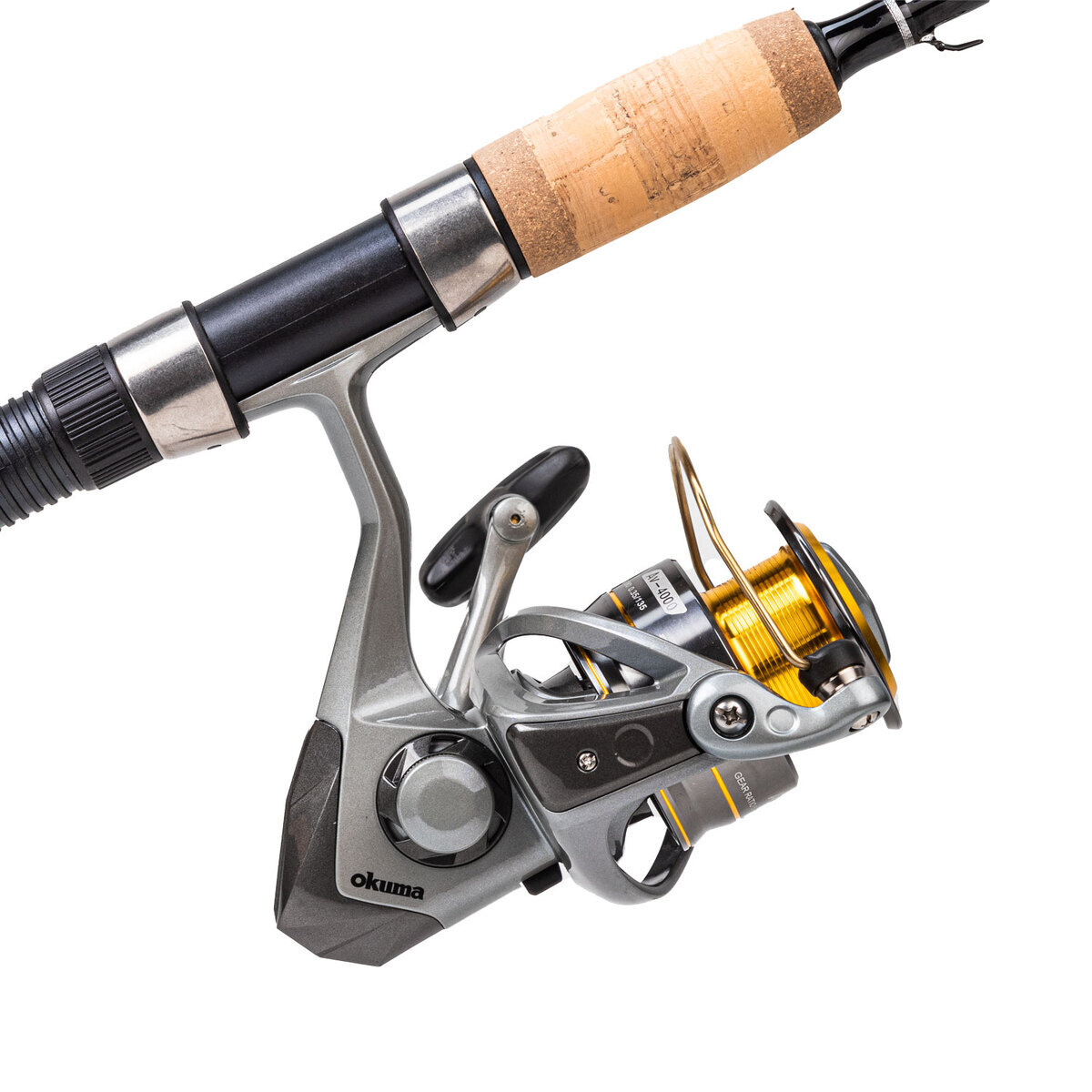
Probably should have led with this section, honestly. A light to medium-action spinning rod with a smooth drag is all you need to catch trout. Pair it with 4-6 pound monofilament line. That setup handles everything from stocked rainbows in a pond to wild browns in a creek. Fly fishing gear is fantastic too, but it is not required to catch trout despite what the gatekeepers say.
Rod and Reel
- Light to medium-action spinning rod or fly rod
- Smooth drag system for light line protection
Line
- 4-6 pound mono for spinning — fluoro leader in clear water
Bait and Lures That Actually Produce
Trout are selective feeders but they are not impossible. Match what is naturally in the water and you will get bites.
Live worms are universally effective. A nightcrawler under a small split shot drifted through a pool catches trout everywhere. PowerBait works great in stocked waters because hatchery trout are conditioned to it. Spinners — Rooster Tails and Panther Martins especially — trigger reaction strikes from aggressive fish. Small crankbaits cover water in lakes. For fly anglers, nymphs produce more fish than dry flies on most days, though nothing beats watching a trout eat a dry off the surface.
Reliable Baits
- Nightcrawlers — work everywhere
- PowerBait — stocked waters
- Crickets — surprisingly effective
Go-To Lures
- Inline spinners (Rooster Tail, Panther Martin)
- Small spoons (Kastmaster, Little Cleo)
- Tiny crankbaits for lakes
Techniques Worth Learning
Drift fishing — casting upstream and letting your bait tumble naturally downstream — is the single most effective trout technique I know. It mimics how food actually moves in current. The trout does not have to chase; it just opens its mouth as your bait drifts by. That’s what makes drift fishing endearing to us stream anglers — it feels natural because it is natural.
Stream Techniques
- Cast upstream, drift naturally
- Keep slack out of your line to feel bites
- Work every seam and pocket
Lake Techniques
- Trolling covers water and finds schools
- Suspended bait under a bobber at the right depth
- Slow-retrieved spinners along structure
Understanding Trout Behavior
Trout feed most actively during low-light periods — early morning and late evening. They are sight feeders, so dim light gives them enough visibility to hunt while keeping them comfortable. During bright midday, they hide under rocks, overcut banks, and in deep pools. Approach quietly. Trout spook incredibly easily. A heavy footstep on the bank can shut down a pool.
Reading Trout Water
Foam lines in streams show where current deposits food. Fish those seams. Deep pools hold resting fish. Riffles hold feeding fish. The transition between riffle and pool is often the most productive spot. In lakes, drop-offs, points, and submerged vegetation attract trout patrolling for food.
Streams
- Fish foam lines and current seams
- Target pool heads and tailouts
Lakes
- Structure and vegetation edges
- Drop-offs and points
Catch and Release Done Right
Wet your hands before touching any trout. Their slime coat protects them from disease — dry hands damage it. Barbless hooks make releases quick and clean. Keep the fish in the water as much as possible. If you want a photo, lift, snap, and release in under ten seconds. Good release technique means that fish will be there for someone else to catch.
Weather and Seasons
Overcast days are prime trout days. Rain washes insects into the water and triggers feeding. Winter trout go deep and slow. Spring and fall are peak seasons when water temperatures sit in that ideal 50-60 degree range. Plan your trips around comfortable water temps and you will find active fish.
Follow the Rules
Every state has specific trout regulations. Size limits, bag limits, gear restrictions, and seasonal closures exist to protect spawning populations and maintain healthy fisheries. Check your state’s regulations before every trip. They change. Buy your license. The fees fund the stocking and habitat programs that put those trout in the water.
Recommended Fishing Gear
Garmin GPSMAP 79s Marine GPS – $280.84
Rugged marine GPS handheld that floats in water.
Garmin inReach Mini 2 – $249.99
Compact satellite communicator for safety on the water.
As an Amazon Associate, we earn from qualifying purchases.




Stay in the loop
Get the latest fish blog updates delivered to your inbox.