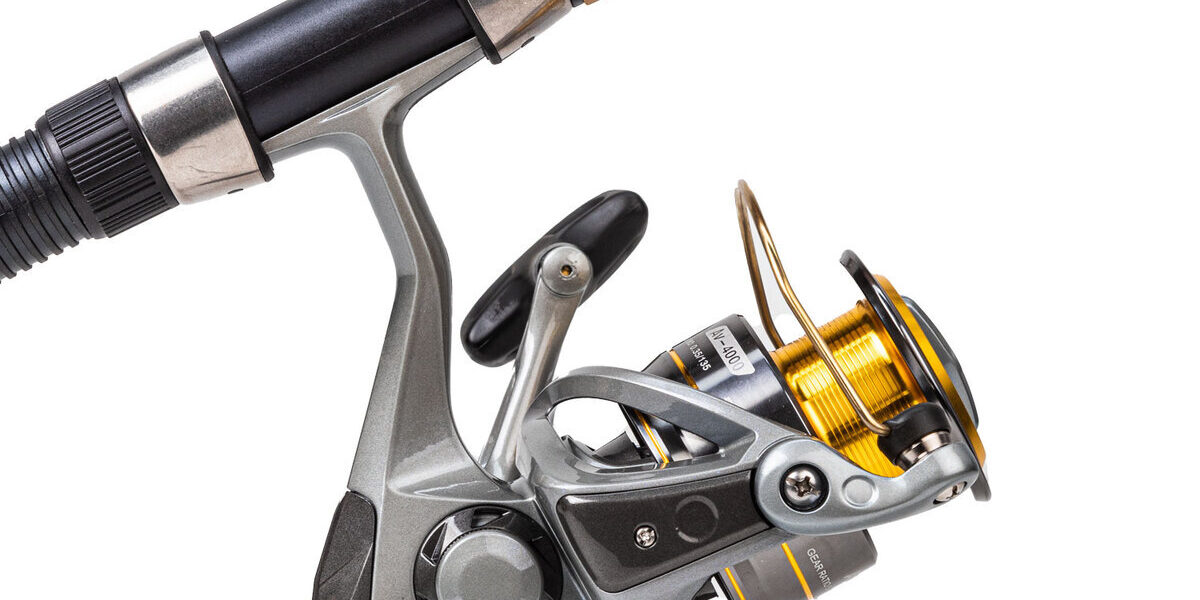
Fall fishing can be incredible. Cooling water triggers feeding activity as fish prepare for winter. Understanding the transition makes autumn one of the best seasons.
Temperature Drives Everything
As water cools from summer highs, fish metabolism and movement increase. The first significant cold snaps trigger feeding binges. Monitor water temperature – when it starts dropping, fishing improves dramatically.
Baitfish Migrations
Shad and other baitfish move to the backs of creeks and coves as water cools. They form massive schools visible on electronics and sometimes on the surface. Predators follow and gorge themselves. Find the bait, find the fish.
Shallow Comeback
Fish that avoided shallow water all summer return as temperatures drop. Areas that were dead in July become productive in October. Shoreline fishing improves tremendously. Bank anglers should be excited about fall.
Color Changes
Dying vegetation colors the water. Fish respond to changing forage color – shad turn silver-white as they die. Match these changing conditions with lure colors. What worked in summer may need adjustment.
Transitional Patterns
Fall fishing can change week to week as temperatures drop. Fish might be shallow one week and deep the next. Stay flexible and follow the conditions rather than forcing yesterday’s pattern.
Feeding Windows
Midday often fishes better in fall than summer. Water warms during afternoon, activating fish. Don’t assume dawn and dusk are always best. Adjust timing to water temperature, not habit.
Last Chance Mentality
Fish sense winter coming. This urgency drives aggressive feeding. Take advantage of it. Fall produces some of the biggest fish of the year as they pack on weight before the cold sets in.




Stay in the loop
Get the latest fish blog updates delivered to your inbox.