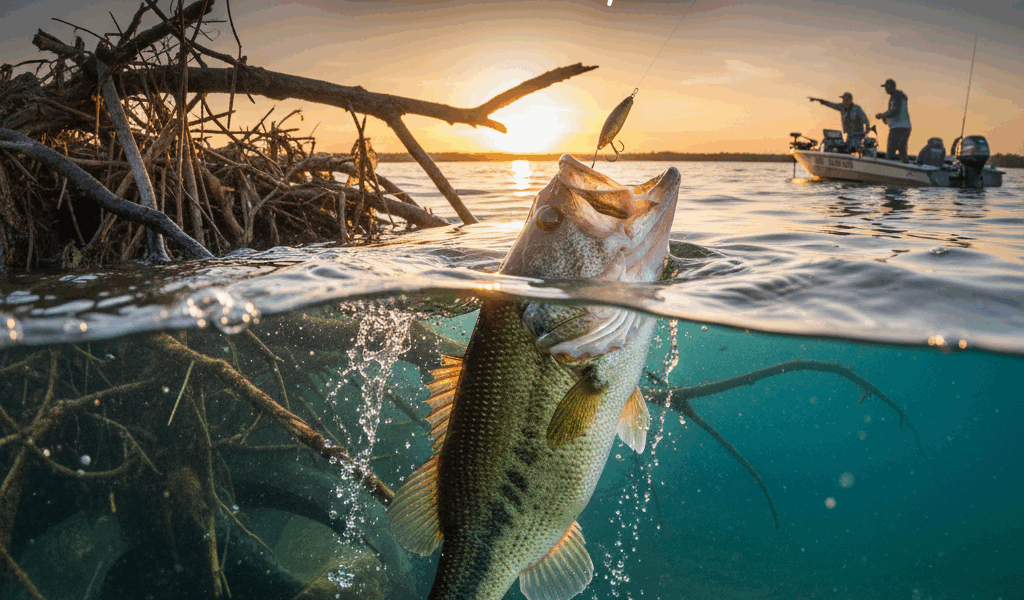
How I Use Points, Humps, and Drop-offs to Find Fish Every Single Trip
Structure fishing has gotten complicated with all the sonar technology and mapping apps flying around. As someone who started fishing with a flasher unit my dad bolted to the gunwale of an aluminum jon boat, I learned everything there is to know about reading bottom contour the hard way. Today, I will share it all with you.
Here is the honest truth: before I understood structure, I was a bank beater. I would park my boat near the shore and cast at anything I could see. Caught some fish, sure. But it was not until an old tournament angler took me offshore and showed me what was happening on the bottom that things clicked. Structure — the actual shape of the lake floor — is where the fish live. Points, humps, drop-offs, ledges, creek channels. These features are magnets. Once you learn to read them, you stop guessing and start catching.
Points — My Go-To Starting Spot on Any Lake
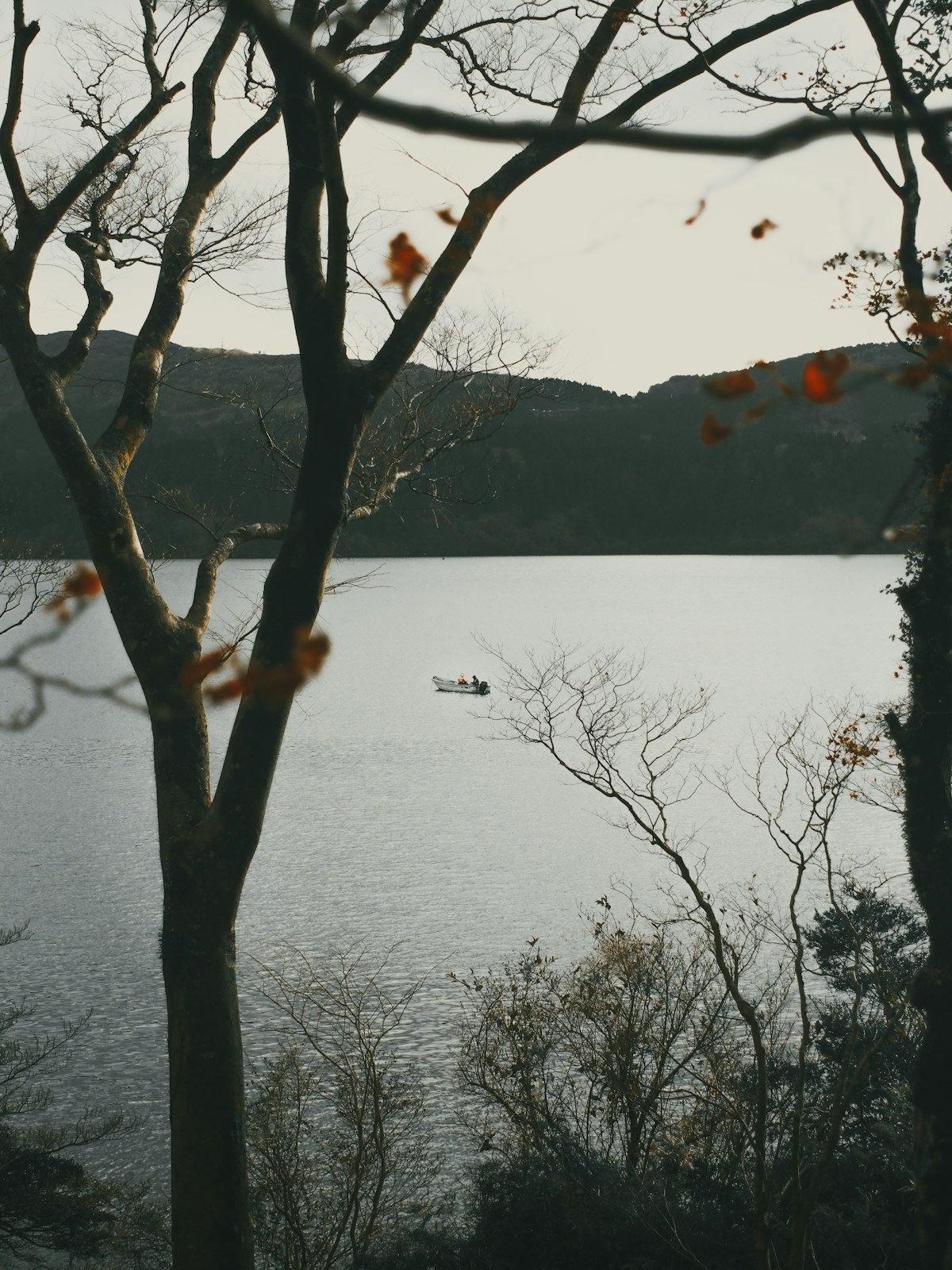
If I pull up to a lake I have never fished before, the first thing I look for is a main-lake point. Every time. Points are underwater ridges that extend from the shoreline out into deeper water, and fish use them like highways.
The tip of the point is usually the money spot, especially during low-light periods when fish push shallow to eat. I like to start there and work my way back. Fan-cast across the top first, then methodically move down the sides into deeper water. You would be amazed how many fish just sit right at that transition where the point meets the main basin.
Primary points — the ones sticking off the main shoreline — generally hold more fish than secondary points tucked back in coves. But here is a tip I wish someone had told me earlier: secondary points at the back of spawning coves are absolute gold in spring. Pre-spawn fish stack up on them before sliding into the flats. I found one of these spots on my home lake about six years ago and it still produces every March.
One more thing about points. Look for irregularities. A single stump on an otherwise clean point will concentrate fish like you would not believe. Same with a random boulder or a subtle depth change. Those micro-features on the bigger structure are where the biggest fish sit.
Humps — The Offshore Secret That Changed My Fishing
Humps are isolated high spots surrounded by deeper water. Think of them as underwater hills. And they are absolutely loaded with fish that most people never target because they cannot see the structure from the surface.
Probably should have led with this section, honestly. Humps were the single biggest game-changer in my fishing. The summer I figured out how to fish them, my catch rate doubled. Not an exaggeration.
The trick is figuring out what depth the fish are holding at. During summer, bass and walleye often suspend right off the edges, hanging in the thermocline where the oxygen and temperature are just right. Spring and fall, they move up on top to chase baitfish schools across the crown of the hump.
Your electronics are critical here. Idle over the hump, mark the depth where you see fish or bait, and then match your presentation. Crankbaits that tick the top of the hump are deadly when fish are active. When they get lockjaw, I switch to a drop shot or a football jig and pick apart the deeper edges inch by inch.
Drop-offs and Ledges — Where Big Fish Eat
Drop-offs are where the bottom just falls away. Ledges are similar but with a flatter shelf before the drop. Either way, fish love them because they can move between depths without burning much energy. Shallow to eat, deep to rest. All day long.
I think of drop-offs as fish highways. They travel along the depth contour line, cruising until something edible crosses their path. The real magic happens where a drop-off intersects other structure — like where a creek channel meets a point. Those intersection spots are high-percentage areas that I check every single trip.
My approach for ledges is pretty straightforward. I park the boat in the deep water, cast up onto the shelf, and slowly work my bait off the edge. Most of my strikes come right at that break where the bottom falls away. Fish sit there waiting for food to tumble over the edge, and your crankbait or Carolina rig is the next meal on the conveyor belt. Football jigs dragged along a rocky ledge are another one of my favorites. The wobble and deflection drive them crazy.
Reading Your Fish Finder Without a PhD
Modern electronics are insane compared to what was available even ten years ago. Side imaging lets you scan huge areas in minutes. Down imaging shows you exactly what is under the boat. But all that tech is useless if you do not know what you are looking at.
For structure, watch the bottom contour line. When it rises, you are going over a hump or approaching shallower water. When it drops, you found your ledge. Hard bottom shows up as a thick return signal. Soft mud is thinner and fuzzier. Once you train your eye to read these signals, you can paint a mental picture of the lake floor without ever seeing it.
Mark everything. Every waypoint you save is future knowledge. I have waypoints on my home lake that I have fished for years, and I note the date, time, depth, and what the fish were doing. That’s what makes structure fishing endearing to us pattern-oriented anglers — the more data you collect, the more predictable the fish become.
How Seasons Change the Game
Fish do not use the same structure year-round, and this trips up a lot of people. That killer summer hump might be dead in spring because the fish have moved shallow to spawn. That back-of-the-cove point that was on fire in March might not hold a single fish in July.
Spring means shallow structure near spawning areas. Points leading into coves, secondary structure near flats — that is your focus. Summer pushes everything deep: offshore humps, main-lake points, creek channel ledges. Fall brings another shallow push as fish chase baitfish. And winter? Fish congregate on the deepest available structure, though a warm sunny afternoon can pull them up temporarily.
Pay attention to the water column too, not just the bottom. Summer fish especially will suspend at thermocline depth, and if you are only fishing the bottom on a hump where fish are holding at 15 feet over 30 feet of water, you are fishing under them.
What to Throw at Structure
Match the lure to the structure and the depth. Crankbaits in various diving depths are my first choice for covering water over points and humps. Pick a bill length that gets your bait bumping the bottom or ticking the top of the structure.
Jigs are the most versatile structure tool I own. Football jigs on rocky points. Finesse jigs on subtle transitions. Pair them with a trailer that looks like whatever the fish are eating and you are in business.
Soft plastics on a Carolina rig or drop shot let you slow down and pick apart specific depth zones when fish are less aggressive. Spinnerbaits and swimbaits cover shallower structure during low light when fish are up and feeding. Start with something efficient, then work toward finesse if the fish are not cooperating. Let them tell you what they want.

Stay in the loop
Get the latest fish blog updates delivered to your inbox.