
Saltwater pier fishing has gotten complicated with all the tackle options and techniques competing for attention. As someone who’s spent countless mornings on piers from Texas to the Carolinas, I learned everything there is to know about catching fish from these structures. Today, I will share it all with you.
This article includes affiliate links. We may earn a commission at no extra cost to you.
Piers extend into productive water where gamefish patrol, providing opportunities for species from small panfish to trophy-sized sharks — all without owning a boat.
Why Pier Fishing Works
Piers create artificial structure in otherwise featureless sandy bottoms. Barnacles, mussels, and marine growth on pilings attract baitfish. Small fish draw larger predators, creating a complete food chain within casting range.
Depth changes around piers concentrate fish. Most piers reach water 15-40 feet deep at the end. Fish cruise these depth transitions hunting prey. Understanding how species use pier structure puts you in the right spots.
That’s what makes pier fishing endearing to us saltwater anglers — current flow intensifies around pilings. Water accelerates through gaps, washing baitfish past waiting predators. Position yourself where current creates feeding opportunities and your catch rate improves significantly.
Species You Can Target
Pompano
Pompano rank among the finest eating fish in saltwater. They follow sand flea migrations along beaches, often passing within range of piers. Spring and fall runs produce consistent action when schools move through.
Small hooks, light tackle, and sand fleas work best. Pompano have small mouths relative to body size. Use size 2-1/0 hooks with fresh sand fleas or Fishbites artificial bait. A two-hook pompano rig with pyramid sinker keeps bait on bottom where pompano feed.
Detect bites by watching your rod tip. They tap and nibble rather than slam baits. Set the hook on a steady pull rather than initial taps.
Flounder
Flounder ambush prey from sandy bottom near pier pilings. They prefer the shadow line where light meets shade. Target the down-current side of pilings where baitfish wash past.
Live finger mullet and mud minnows produce big flounder. Rig them on a sliding sinker setup that lets fish eat without feeling resistance. Flounder hold baits for several seconds before swallowing, so resist setting immediately.
Bucktail jigs tipped with strip bait work when live bait is scarce. Bounce the jig along bottom, pausing frequently. Flounder often strike during the pause.
Redfish and Black Drum
These bottom feeders root around pilings eating crabs, shrimp, and mollusks. Both grow large enough to test tackle and angler skill. Pier fishermen catch drum exceeding 50 pounds and redfish over 30 pounds.
Probably should have led with this section, honestly. Fresh cut bait on circle hooks works consistently for both species. Blue crab sections, mullet chunks, and shrimp all produce. Circle hooks improve hookup ratios and survival rates for released fish.
Heavy tackle handles big drum and reds around pilings. Use 30-50 pound line and stout rods that can turn fish away from structure.
Sheepshead
Sheepshead specialize in eating barnacles and crustaceans off pilings. Their human-like teeth crush shells other species cannot eat. This keeps sheepshead around pier structure year-round.
Fiddler crabs and small pieces of fresh shrimp catch sheepshead. Fish directly against pilings where they feed. Small hooks in 1/0-2/0 range penetrate their tough mouths better than larger sizes.
Bites feel like subtle taps as they crush bait. Most anglers miss first bites by waiting too long. Set the hook on any unusual feeling.
Spanish and King Mackerel
Mackerel species cruise past piers chasing baitfish schools. Spanish mackerel average 2-5 pounds and provide fast action. King mackerel grow much larger, with fish over 30 pounds caught from piers.
Casting spoons and gotcha plugs catch Spanish mackerel actively feeding on surface bait. Retrieve fast. When you see baitfish spraying across the surface, cast beyond the commotion and retrieve through it.
King mackerel require different tactics. Live bait on wire leader suspended under a float produces strikes from cruising kings. Balloons work better than standard floats, allowing baits to drift far from the pier.
Cobia
Cobia follow rays and sharks near piers during spring migrations. These powerful fish average 20-40 pounds and fight exceptionally hard. Sight casting to cobia cruising the surface ranks among saltwater fishing’s greatest thrills.
Keep a heavy spinning rod rigged with a large jig ready. When you spot one, cast well ahead and let the jig sink. Retrieve with long sweeps of the rod. Cobia often follow before striking.
Sharks
Multiple shark species pass within pier range. Blacktip sharks enter shallow water pursuing baitfish. Bull sharks patrol deeper water around pier ends. Hammerheads occasionally cruise past during summer.
Heavy tackle and large fresh baits target pier sharks. Bonito, bluefish, and stingray wings attract sharks from distance. Fish the bottom at pier end where deeper water holds larger sharks.
Essential Tackle
Rods
Versatility requires multiple setups. A 7-foot medium action rod handles pompano, flounder, and sheepshead. A 7-foot heavy action rod fights redfish, drum, and sharks. An 8-foot casting rod reaches distant schools with lures.
Rail-mounted holders that clamp securely matter on piers. Multiple holders let you fish several baits while watching for surface activity.
Reels
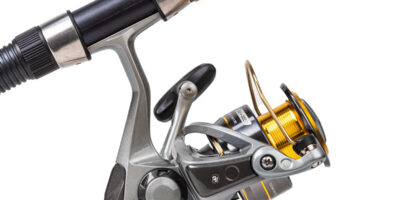
Saltwater destroys reels not designed for the environment. Sealed bearings and corrosion-resistant components matter. Rinse reels with fresh water after every trip.
Conventional reels handle heavy bottom fishing best. Spinning reels work better for casting artificials and lighter presentations.
Line
Braided line dominates pier fishing for good reason. Zero stretch transmits bites from distance and cuts through current better than mono. Use 20-30 pound braid for most applications and 50-80 pound for sharks.
Fluorocarbon leaders prevent bite-offs and improve hookups with line-shy species. Leader length depends on water clarity, with 3-6 feet working in most conditions.
Terminal Tackle
Pyramid sinkers hold bottom in current better than other shapes. Carry sizes from 2-8 ounces to match conditions.
Circle hooks improve hookup ratios and fish survival. Sizes range from 1/0 for pompano to 10/0 for sharks. Wire leaders prevent toothy fish from cutting you off.
Reading Conditions
Tide Effects
Moving water activates feeding behavior. Fish the two hours before and after tide changes for best action. Slack tide often slows fishing as current diminishes.
Outgoing tides wash bait from estuaries past piers. Predators position at pier mouths waiting for easy meals.
Water Clarity
Clear water requires longer leaders and natural colored baits. Fish can see line and reject obvious presentations. Scale down tackle when visibility exceeds 6 feet.
Stirred up water after storms concentrates fish near structure. Fish close to pilings when clarity drops below 2 feet.
Seasonal Patterns
Spring brings pompano runs and cobia migrations. Summer fishing focuses on early morning and evening hours. Fall produces excellent action as species migrate south. Winter slows northern piers but sheepshead fishing peaks.
Pier Etiquette
Piers concentrate anglers in limited space. Communicate with neighbors about casting direction. Keep tackle organized. Help others land fish when possible.
Many pier species have sharp spines, teeth, or gill plates. Use lip grips, pliers, and towels to handle fish safely. Release fish you cannot keep quickly.
Weather Awareness
Lightning poses serious danger on exposed piers. Leave at first sign of storms. Piers attract lightning strikes, and metal rails conduct electricity.
Arrive early to claim productive spots. Watch the water before fishing. Talk to regulars who fish the pier frequently. Keep variety of baits available.
Maximizing Success
Arrive early to claim productive spots. The pier end generally produces best for pelagic species like mackerel and cobia. The first third nearest shore holds flounder, drum, and sheepshead. Middle sections fish for everything depending on conditions.
Watch the water before fishing. Baitfish activity reveals where predators patrol. Birds diving indicate feeding fish below. Surface swirls and nervous bait schools signal gamefish presence.
Talk to regulars who fish the pier frequently. Local knowledge saves time learning pier patterns. Most experienced pier anglers happily share information with newcomers who show genuine interest.
Keep a variety of baits available. Fresh bait outperforms frozen in almost every situation. Many piers have bait shops, but bringing backup guarantees you can fish regardless of shop hours or stock.
Landing Big Fish
Pier fishing presents unique challenges for landing fish. Height above water prevents easy netting. Big fish fight around pilings and can break off.
Pier nets with long handles reach the water from deck height. Heavy-duty models handle the weight of large drum and redfish. Some piers provide communal nets; bring your own if unsure.
Pier gaffs secure fish that cannot be netted. Sharks and large king mackerel require gaffs. Know pier regulations about gaff use before targeting these species.
When fighting fish near structure, apply steady pressure to keep them away from pilings. Lighter drags allow runs that tire fish but risk break-offs around structure. Find the balance between control and letting fish fight.
Night Fishing
Many piers allow night fishing, which offers distinct advantages. Sharks become more active after dark. Lights attract baitfish, which draw predators. Cooler temperatures during summer make night fishing comfortable.
Bring good lighting for baiting hooks and landing fish. Headlamps keep hands free. Chemical light sticks mark rod tips in darkness. Flashlights help spot approaching fish and avoid stepping on tackle.
Night fishing crowds thin compared to daytime. Prime spots become available that were taken earlier. The atmosphere changes completely after dark, with serious anglers replacing casual visitors.
Safety Considerations
Piers present specific safety concerns beyond normal fishing hazards. Wet wood becomes slippery. Railings provide fall protection only if you stay aware. Watch children constantly near pier edges.
Current flows around piers can be dangerously strong. Anyone falling in faces difficulty swimming against current. Never fish alone at night on poorly-lit piers.
Know the pier’s emergency procedures. Most have rescue equipment stationed along the deck. Cell service usually works, but know the pier’s address for directing emergency responders.
Pier fishing combines accessibility, variety, and excitement in ways few other methods match. Anyone can walk onto a pier and catch quality fish without owning a boat. The skills translate across species and locations, making pier anglers effective wherever they travel.


Stay in the loop
Get the latest fish blog updates delivered to your inbox.