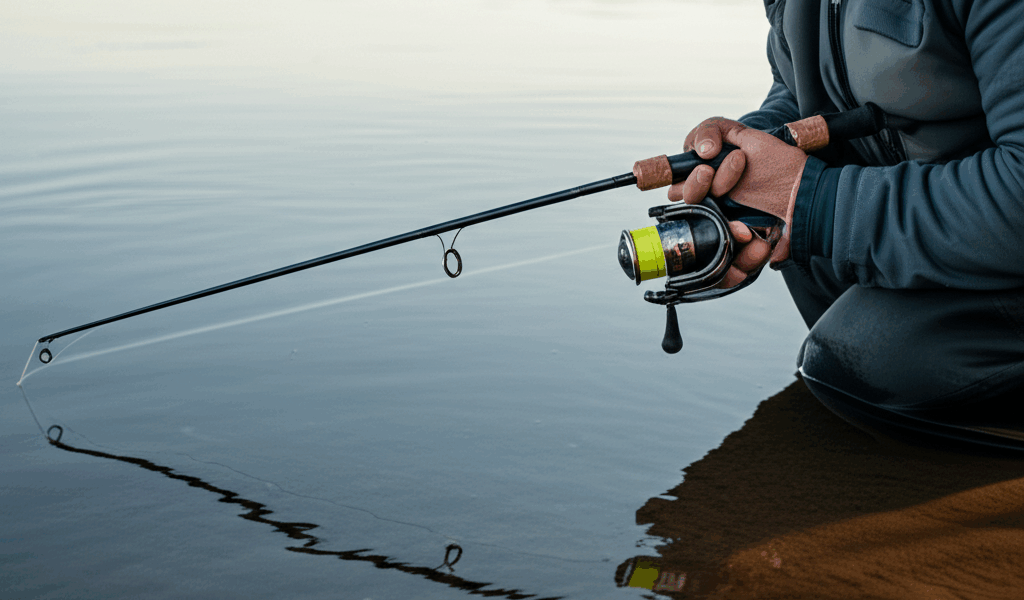
Choosing fishing line has gotten complicated with all the options flying around at tackle shops. As someone who’s spooled up more reels than I can count across decades of fishing, I learned everything there is to know about mono, fluoro, and braid. Today, I will share it all with you.
Line connects you to the fish. It transmits bites, absorbs shock during hooksets, and determines whether fish reach the boat or break off. Understanding line types helps you choose correctly for any situation.
This article includes affiliate links. We may earn a commission at no extra cost to you.
Our Top Picks
This section includes affiliate links. We may earn a commission at no extra cost to you.
Berkley Trilene XL Monofilament Fishing Line
America's best-selling mono — smooth casting, great knot strength, ideal for topwater and bobber rigs
6.99
Check Price on AmazonSeaguar InvizX 100% Fluorocarbon Line
Nearly invisible underwater — superior abrasion resistance for clear water finesse fishing
19.99
Check Price on AmazonPowerPro Spectra Braided Fishing Line
Zero stretch, maximum sensitivity — the standard for heavy cover and deep water applications
19.99
Check Price on AmazonMonofilament Line
Monofilament has been the standard for decades. Single-strand nylon construction creates a forgiving line that stretches under pressure. This stretch absorbs sudden shocks from headshakes and runs.
Mono floats, making it excellent for topwater lures. Floating line keeps surface baits riding correctly. It also works well under bobbers where sinking line would create drag.
The downsides include memory and UV degradation. Mono takes the shape of your spool, creating coils that affect casting. Sunlight weakens mono over time, requiring replacement every season.
Use monofilament for topwater fishing, under bobbers, and when stretch helps prevent pulled hooks. Berkley Trilene XL is the go-to choice for most anglers — smooth casting and budget-friendly pricing makes it accessible for all skill levels.
Fluorocarbon Line
That’s what makes fluoro endearing to us finesse anglers—it nearly disappears underwater. Its refractive index closely matches water, making it nearly invisible to fish. Line-shy species in clear water often require fluorocarbon to get bit.
Fluoro sinks slowly, keeping lures at desired depths. Abrasion resistance exceeds mono significantly. Rocky structure that frays mono barely affects fluorocarbon.
Stiffness creates casting challenges on spinning reels. Fluoro also costs more than mono. Many anglers use fluoro as leader material rather than main line to balance cost and benefit.
Choose Seaguar InvizX for clear water, finesse presentations, and situations requiring invisibility. Use as leader when budget limits full-spool applications.
Braided Line
Braided line packs maximum strength into minimum diameter. Thin diameter cuts through water and wind better than thicker lines. Zero stretch transmits every tap and bump directly to your hands.
Probably should have led with this section, honestly—braid changed everything for modern bass fishing. The lack of stretch helps with hooksets at distance. When fishing far from the boat, PowerPro Spectra braid drives hooks home more effectively than stretchy alternatives.
Braid shows up underwater as a dark silhouette. Fluorocarbon or mono leaders hide the connection near the lure. Most braid anglers tie 3-6 foot leaders for this reason.
Braided line excels in heavy cover, deep water, and situations requiring maximum sensitivity. The investment pays off through years of service since braid rarely needs replacement.
Matching Line to Technique
Topwater fishing works best with monofilament. The stretch and floating properties complement surface presentations.
Crankbaits and treble hook lures benefit from moderate stretch. Mono or fluorocarbon prevent hooks from tearing free during fights.
Jigs, worms, and single hook lures perform better with braid. Direct sensitivity detects subtle bites. Strong hooksets penetrate heavy hooks through tough mouths.
Heavy cover demands braid’s abrasion resistance and pulling power. Extract fish from timber, grass, and rocks without break-offs.
The right line for each technique improves your success. Respooling takes minutes but makes the difference between landing fish and telling stories about the one that got away.




Stay in the loop
Get the latest fish blog updates delivered to your inbox.