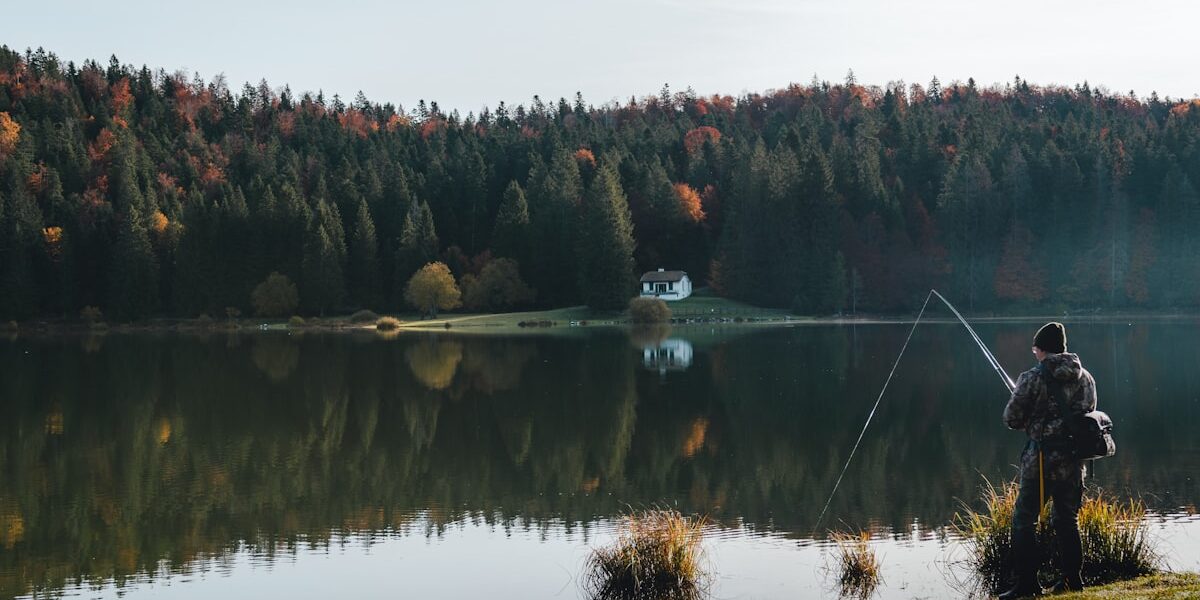
Top Fishing Techniques for Saltwater Fishing
Saltwater fishing techniques have gotten complicated with all the gear options and conflicting advice flying around. As someone who’s fished ocean waters for years — from beach surf to offshore trolling — I learned everything there is to know about what actually works versus what just sounds impressive at the tackle shop. Today, I will share it all with you.
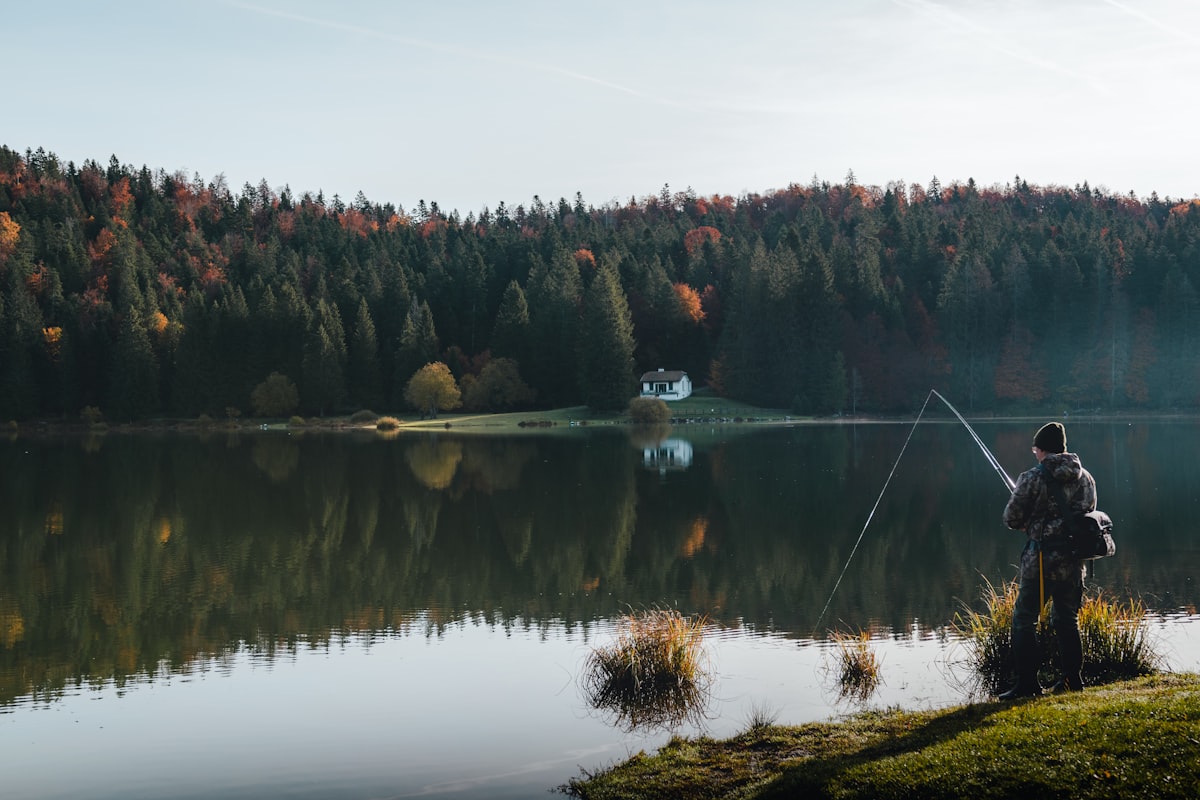
That’s what makes saltwater fishing endearing to us anglers — the variety. Same ocean, completely different approaches depending on what you’re after and where you’re fishing.
Surf Fishing
Probably should have led with this section, honestly. Surf fishing is the most accessible saltwater technique — no boat required. You stand on the beach and cast into the waves.
Gear matters: long rods (10-12 feet) cast farther and keep your line above the breaking waves. Strong reels handle the sand and salt. Bait selection depends on local species, but shrimp, squid, and cut bait work almost everywhere.
Timing makes the difference. Fish move closer to shore during incoming tides, especially around dawn and dusk. Finding structure — sandbars, troughs, jetties — concentrates fish. The best surf anglers read the water as carefully as they choose their bait.
Deep-Sea Fishing
This means going offshore, usually on a charter boat, targeting bigger species like marlin, tuna, and swordfish. The boat runs miles from shore to reach productive water.
Two main approaches: trolling (dragging baits behind a moving boat) and bottom fishing (dropping to the ocean floor). Heavy tackle handles the fight — these fish pull hard. Live bait like mackerel works better than cut bait for big predators.
Modern fishfinders and GPS make locating fish more science than luck, but reading currents and temperature breaks still matters. Weather determines whether you go at all.
Kite Fishing
Using a kite to carry your bait out over the water sounds gimmicky until you try it. The kite suspends live bait just at the surface, creating an irresistible target for sailfish, mahi-mahi, and other surface feeders.
Setup requires a proper fishing kite and release clip system. Wind conditions must cooperate — too little wind and the kite won’t fly, too much and control becomes difficult. When conditions align, kite fishing produces fish that ignore conventional trolling spreads.
Fly Fishing in Saltwater
Not just for trout streams anymore. Saltwater fly fishing targets bonefish, tarpon, permit, and other species on shallow flats. Specialized rods and reels handle the stronger fish and corrosive environment.
Sight-fishing is the game — spotting fish in clear shallow water and presenting a fly in their path. Casting skill matters more here than anywhere else. The double-haul cast covers distance against wind. Fly selection mimics shrimp, crabs, and baitfish depending on what’s feeding. Patience required — wading flats isn’t fast fishing.
Chumming
Dumping fish parts, blood, and oils into the water creates a scent trail that attracts fish to your area. Simple but effective. Works for sharks, snapper, grouper, and many other species.
Anchor the boat and establish a steady chum slick. Fish follow the scent upstream to the source. Combine chumming with live bait or cut bait for best results. The waiting can be boring, but when fish arrive, the action is fast.
Trolling
Dragging baited lines behind a moving boat covers water efficiently. Good for kingfish, wahoo, mahi-mahi, and anything that chases prey. Speed and depth control determine success.
Lure choices range from artificial skirts and plugs to live or rigged dead bait. Downriggers and diving planers get baits deeper when needed. Experienced trollers adjust constantly based on water conditions and fish behavior.
Spearfishing
The most direct approach: dive down and shoot your fish. Requires snorkeling or scuba skills, breath control, and accurate shooting. Target species include grouper, snapper, and various reef fish.
Stalking underwater is an acquired skill. Fish spook easily. Understanding their behavior helps you get close enough for a shot. Local regulations strictly control what you can take — know the rules before you dive.
Drift Fishing
Let current move your boat across productive water while baits trail below. Covers more ground than anchoring, less active than trolling. Works for redfish, bluefish, flounder, and other species.
Drift speed affects bait presentation. Too fast and baits appear unnatural; too slow and you don’t cover enough area. Sea anchors help control drift when currents run strong.
Bottom Fishing
Drop bait to the seafloor and wait for bottom-dwelling species: snapper, grouper, halibut. Heavy tackle handles the resistance of both fish and underwater structure. Anchor or drift over known productive areas.
Fishfinders locate structure where target species hide. Live bait often outperforms cut bait for suspicious bottom fish. Patience pays — bottom fishing involves more waiting than casting.
Inshore Fishing
Shallower waters close to shore — mangroves, bays, estuaries. Smaller boats or kayaks work fine. Target species include sea trout, redfish, and snook.
Lighter gear than offshore fishing, more finesse in presentation. Sight-fishing when water clarity allows. Live shrimp or mullet as bait, or artificial lures mimicking small prey. Local knowledge of habitat and seasonal patterns determines success.
Jigging
Actively working a weighted lure up and down, imitating wounded baitfish. Attracts predators like bass, cod, and tuna. Physical work — your arm does most of the fishing.
Different jigs produce different actions. Speed and rhythm variation helps find what triggers strikes. Effective around structure or when fish are suspended at specific depths.
Each technique has its place. Match the method to your target species, available equipment, and local conditions. The ocean offers variety — learning multiple approaches expands what you can catch.




Stay in the loop
Get the latest fish blog updates delivered to your inbox.