
Top Fishing Techniques for Ice Fishing
Top Fishing Techniques for Ice Fishing
Ice fishing techniques have gotten complicated with all the specialized gear and methods flying around. As someone who spent fifteen winters on frozen lakes across the Upper Midwest, I learned everything there is to know about what actually catches fish through the ice. Today, I will share it all with you.

Jigging
Jigging is my go-to technique most days on the ice. Drop a weighted jig to your target depth, then lift it sharply a few inches and let it fall. That rise-and-fall motion mimics injured baitfish and triggers strikes from predatory fish. The rhythm matters—sometimes quick snaps work, sometimes slow lifts produce better. I adjust cadence until fish tell me what they want by actually biting.
Tip-Ups
Tip-ups let me monitor multiple holes simultaneously while jigging another line actively. When a fish takes the bait, a flag pops up and you sprint to that hole before the fish spools all your line. I run three or four tip-ups with live minnows while working a jigging rod. This coverage increases odds dramatically compared to fishing a single hole all day.
Deadsticking
Deadsticking works on days when fish want motionless presentations. Set a baited line at the right depth and leave it completely still. Cold water slows fish metabolism, and sometimes they prefer prey that isn’t moving. I use a bobber to detect subtle takes. This passive approach complements active jigging nicely when you’re fishing multiple rods.
Spearfishing
Ice spearfishing is a completely different experience—visual, patient, almost meditative until a fish appears and you strike. You cut a large hole, set up a darkhouse to block light, and watch fish swimming below. Decoys lure them close enough for a shot. The patience required is intense, but landing a fish you actually saw and targeted creates satisfaction jigging can’t match.
Chumming
Chumming draws fish to your area instead of hoping they wander by. I drop small amounts of fish oil, chopped baitfish, or commercial chum down the hole. The scent disperses and attracts fish from surprisingly long distances. This technique transforms slow holes into productive ones within 20 minutes sometimes.
Using Electronics
Probably should have led with this section, honestly. Modern fish finders changed ice fishing completely for me. Seeing fish depth, movement, and even how they react to your lure in real-time is a massive advantage. Underwater cameras show exactly what’s happening below—fish species, their behavior, whether they’re interested or spooked. The learning curve pays off fast.
Light Tackle
Light tackle provides sensitivity to detect the soft bites that ice fishing produces. Thin line, small hooks, light rods—this setup feels every tap and nudge. Cold water makes fish lethargic, so they bite gently. Heavy tackle misses these subtle takes entirely. I switched to ultralight setups and my catch rate improved immediately.
Line Watching
Line watching catches fish that barely move your bobber. I watch where the line enters the water, looking for any twitch, lift, or slack. Sometimes fish take bait so gently that you only see it in the line movement. This visual focus has saved countless fishless days when bites were too light to feel.
Using Live Bait
Live bait outperforms artificials in cold water consistently. Minnows, waxworms, nightcrawlers—all work, but keeping them lively is critical. Dead or sluggish bait gets ignored. I keep bait in insulated containers and change it frequently. That’s what makes ice fishing endearing to us anglers—attention to these small details separates success from sitting over empty holes.
Drop-Shot Rig
Drop-shot rigs present bait just above the bottom where many species feed. Tie your hook inline above a weight so the bait hovers enticingly. This setup works particularly well for perch and walleye that cruise near the lake floor. The weight stays put while the bait moves naturally with minimal effort.
Vertical Presentations
Vertical presentations work perfectly for ice fishing since your hole dictates a straight-down approach. Start at the bottom and work up, pausing at different depths until you find where fish are holding. Species suspend at specific depths based on temperature and light penetration. Finding that magic depth zone is the key.
Hole Hopping
Hole hopping keeps me mobile instead of committed to unproductive spots. I drill a grid of holes, fish each for 10-15 minutes, then move to the next. This active approach covers more water and locates fish faster than sitting stubbornly over dead holes. Once I find active fish, I focus efforts there.
Use of Attractants
Scent attractants enhance bait appeal, especially in low-visibility or slow-bite conditions. I apply them to both live bait and artificial lures. The extra scent and taste trigger strikes from fish that might otherwise ignore your offering. In murky water, scent becomes even more important than visual presentation.
Customizing Lures
Customizing lures lets me match local preferences and conditions. I adjust colors based on water clarity, modify sizes for targeted species, and experiment with different styles. What works on one lake might fail on another. Willingness to modify and experiment leads to discovering deadly combinations others overlook.
Experimenting with Depths
Fish location changes throughout the day based on light, temperature, and feeding patterns. I start near bottom and work up in one-foot increments. Sometimes fish suspend mid-water column. Other times they’re tight to bottom or just below the ice. Constant depth adjustment keeps me in the productive zone as conditions shift.
Using Spoons
Spoons flash and flutter when jigged, mimicking fleeing baitfish perfectly. The metal construction creates vibrations and visual flash that draw fish from distance. I vary jigging cadence from slow lifts to aggressive snaps based on fish response. Spoons produce when other presentations fail, particularly for aggressive species like pike and lake trout.
Running Multiple Lines
Multiple lines increase coverage and catch rates significantly. I run tip-ups at various depths with live bait while actively jigging another rod. This multi-pronged approach lets me test different presentations and depths simultaneously. Organization is critical—knowing which line is where prevents tangles and confusion.
Checking and Replacing Bait
Fresh, lively bait catches more fish than old, dead bait. I check bait every 15-20 minutes and replace anything that’s lost vitality. Fish sense the difference between fresh and stale bait immediately. This regular maintenance seems tedious but directly impacts success.
Managing Gear
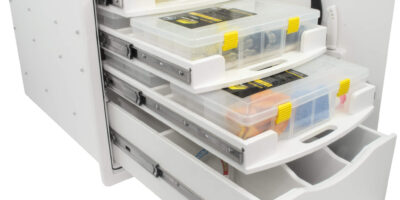
Organized gear makes ice fishing more efficient and enjoyable. I keep tackle sorted by type, check line for wear regularly, and maintain equipment between trips. Cold temperatures are hard on gear—reels freeze, line gets brittle, batteries die fast. Proper management and maintenance prevents failures that end fishing days prematurely.
Observing Local Regulations
Regulations protect fisheries and ensure sustainable ice fishing for future generations. I check current rules before every trip—limits change, seasons vary, and specific gear restrictions apply to different waters. Following regulations isn’t optional; it’s part of being a responsible angler who cares about maintaining healthy fish populations.
Studying Fish Behavior
Understanding fish behavior patterns improves ice fishing strategy dramatically. Water temperature, barometric pressure, moon phase, time of day—all affect fish activity and location. I’ve studied these patterns for years and can predict where different species will be under specific conditions with reasonable accuracy. This knowledge base develops over time through observation and experience.
Safety Precautions
Ice safety is non-negotiable. I check ice thickness with a spud bar, wear ice picks around my neck, and bring rope and throwable flotation. Never fish alone on questionable ice. Four inches of clear ice is my minimum for walking, more for vehicles. Ice near shore, over springs, or around structures is always thinner and dangerous. Respect the ice or it will kill you—I’ve seen enough close calls to take this deadly seriously.
Recommended Fishing Gear
Garmin GPSMAP 79s Marine GPS – $280.84
Rugged marine GPS handheld that floats in water.
Garmin inReach Mini 2 – $249.99
Compact satellite communicator for safety on the water.
As an Amazon Associate, we earn from qualifying purchases.



Stay in the loop
Get the latest fish blog updates delivered to your inbox.