
Kayak Fishing: Everything I Wish Someone Told Me Before My First Trip
Kayak fishing has gotten complicated with all the hull designs and gear options flying around. As someone who started with a borrowed recreational kayak and a dream—then spent years figuring out what actually works—I learned everything there is to know about fishing from these plastic boats. Today, I will share it all with you.
Kayak fishing combines mobility with intimacy. You reach water inaccessible to bigger boats while staying closer to the action than shore anglers. But the learning curve is real, and making wrong choices early costs time and money.
This article includes affiliate links. We may earn a commission at no extra cost to you.
Choosing Your First Fishing Kayak
That’s what makes kayak selection endearing to us gear nerds—there’s a specific design for every fishing style, and understanding the tradeoffs matters more than brand loyalty.
Sit-On-Top vs Sit-Inside
Sit-on-top kayaks dominate fishing applications. Open cockpits let you climb on and off easily—important when you’re launching through surf or need to stretch your legs. Self-draining scupper holes prevent swamping. Standing becomes possible on wider models. Most fishing features like rod holders mount easily to flat decks.
Sit-inside kayaks work better in cold weather and rough water. Enclosed cockpits block spray and wind. But limited deck space kills fishing functionality. Unless you’re exclusively cold-water paddling, go sit-on-top.
Hull Design: What Actually Matters
Flat hulls feel rock-solid when sitting still—great for casting and landing fish. But they slap waves uncomfortably in chop. If your water is always calm, fine. Otherwise, consider alternatives.
Pontoon hulls (twin channels) provide exceptional stability. Many allow standing while casting. Trade-off: extra width creates drag when paddling. These excel for calm water and anglers who prioritize stability over speed.
V-shaped hulls cut through waves efficiently. They feel tippy to new kayakers but have strong secondary stability that kicks in when leaning. These track straighter and paddle faster. Better for covering distance or dealing with wind.
Size Tradeoffs
Probably should have led with this section, honestly. Size determines everything.
Length: Under 12 feet maneuvers in tight spots but wanders between paddle strokes. 12-14 feet balances maneuverability with efficiency. Longer kayaks cover distance but struggle in confined water.
Width: Under 30 inches feels tippy but paddles fast. 32-36 inches provides fishing stability with acceptable speed. Over 38 inches sacrifices speed for platform stability.
Weight capacity: Must exceed your weight plus gear by at least 100 pounds. Overloaded kayaks sit low, paddle slow, and capsize easy. Be honest when checking ratings.
Essential Gear
Rod and Reel
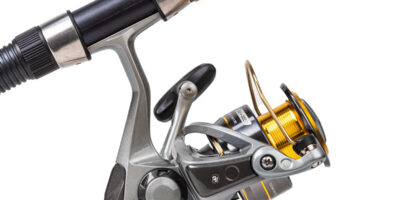
A quality rod and reel combo is the foundation. The Shakespeare Ugly Stik GX2 spinning combo is built to handle the abuse of kayak fishing — virtually unbreakable rod with a dependable reel. At $40-50, it’s the best value entry point for kayak anglers.
Paddles
Quality paddles reduce fatigue dramatically. Fiberglass or carbon shafts weigh less than aluminum—matters more than you think after a few hours. Most fishing kayaks pair with 230-250cm paddles. Invest in the best paddle your budget allows.
PFDs Save Lives
Kayak-specific PFDs allow arm movement for paddling and casting. Pockets hold small tackle. Bright colors aid visibility if you need rescue. Inflatable versions feel less restrictive in warm weather but must be armed to function.
Wear it. Every time. Non-negotiable.
Anchoring Systems
Anchors hold position over productive spots. Stake-out poles work in shallow water (push into soft bottoms). Traditional anchors with rope handle deeper water. Anchor trolleys let you reposition the anchor point for optimal boat angle.
Drift chutes slow your drift in wind or current. Collapsible designs stow compactly.
Fish Finders
Electronics help locate fish and structure. Portable units mount temporarily and remove for transport. Side-imaging and down-imaging reveal details traditional sonar misses. GPS integration marks productive waypoints so you can return to exact spots.
Rigging Your Kayak
Rod Storage
Flush-mount rod holders angle rods behind the seat, securing them during paddling and trolling. Install at least two behind the seat. Adjustable rod holders let you position active rods for trolling or quick access.
Gear Tracks
Aluminum tracks accept sliding accessories. Mount fish finders, cup holders, camera mounts, or anything else with compatible hardware. Plan track placement before drilling—mistakes are permanent.
Milk Crate Setup
The classic rear crate organizes tackle, holds rods vertically, and provides storage flexibility. PVC rod holders slot into drilled holes. Bungee cord webbing secures loose items. Simple, cheap, endlessly customizable.
Launching and Landing
Scout launches before fishing day. Look for gradual slopes, minimal obstacles, and easy parking. Kayak carts with balloon wheels handle sand. Solid wheels work better on pavement and hard ground.
Load gear before launching. Balance weight evenly. Heavy items go low and centered. Secure everything—capsizing with loose gear means losing gear.
Safety Basics
Tell someone your float plan: where you’re going, when you’ll return. Check weather forecasts for wind, not just rain. Dress for water temperature, not air temperature—hypothermia doesn’t care that it’s sunny.

Stay in the loop
Get the latest fish blog updates delivered to your inbox.