How to Plan a Fishing Adventure
Planning fishing trips has gotten complicated with all the checklists and gear recommendations flying around. As someone who organized fishing adventures across three continents over fifteen years, I learned everything there is to know about what actually matters versus what just adds stress. Today, I will share it all with you.

Research the Destination
Start with the species you want to target, then find waters where they’re abundant. I dig through regional fishing reports, online forums, and local guide services to understand what’s actually biting versus what used to be good five years ago. Regulations change frequently—size limits, bag limits, seasonal closures—so I verify current rules before making solid plans. Understanding optimal seasons and weather patterns for your destination prevents showing up during the worst possible conditions.
Gather Necessary Permits
Fishing licenses and permits are non-negotiable. I buy them online weeks before trips to avoid last-minute scrambling. Some species require special stamps or tags beyond the basic license. Getting caught without proper permits means fines, confiscated gear, and a ruined trip. I keep digital copies on my phone and physical copies in my tackle bag as backup.
Assemble Your Gear
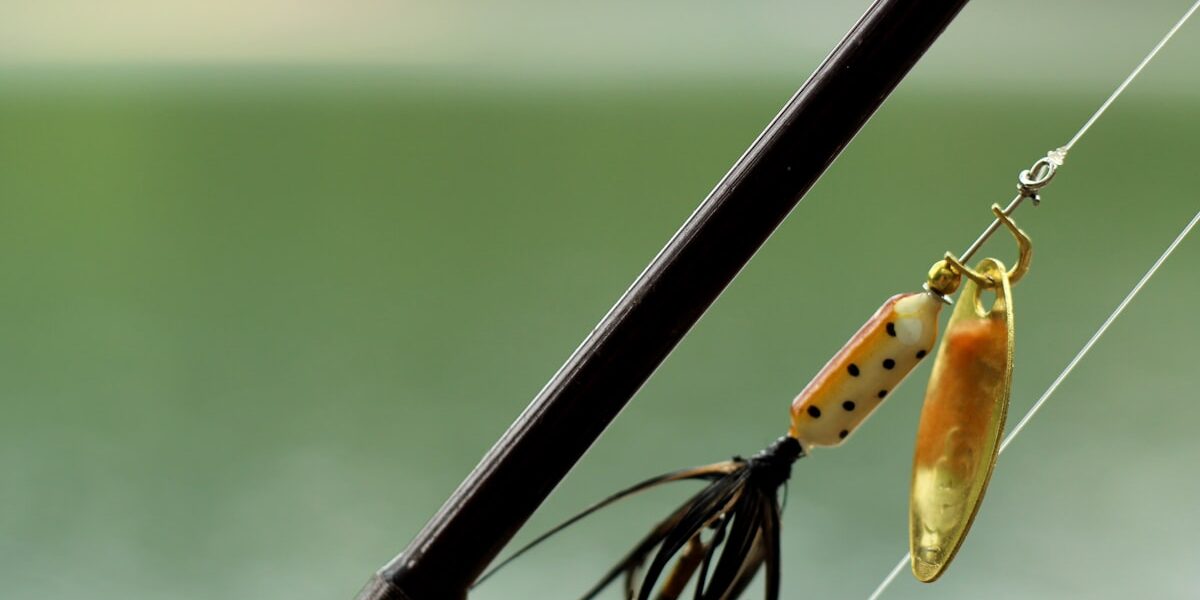
Probably should have led with this section, honestly. Gear selection makes or breaks fishing trips. Rods, reels, and line matched to your target species form the foundation. I pack varied lures and baits because fish preferences change daily based on conditions. My tackle box includes pliers, scissors, extra hooks, line clippers—the tools that fix problems on the water. Specialized gear for unique species gets added only when targeting them specifically. Sun protection—hat, polarized sunglasses, sunscreen—prevents misery that distracts from fishing.
Plan for Safety
Safety prep prevents emergencies from becoming tragedies. I inspect boats thoroughly before trips—hull condition, motor function, safety equipment. Life vests for everyone aren’t suggestions; they’re requirements I enforce strictly. First aid kits tailored for fishing include items for hook removal, cuts, and sun exposure. I share detailed itineraries with reliable contacts and check in regularly. Weather monitoring is constant, and I have local emergency contact numbers saved before leaving cell service.
Accommodation Arrangements
Lodging close to fishing spots maximizes water time and minimizes drive time. Campsites offer the full outdoor experience; cabins provide comfort after long days fishing; motels work when you just need a bed. I book early for popular destinations—waiting means settling for distant accommodations or paying premium rates. When camping, I verify fire rules, waste disposal requirements, and quiet hours. That’s what makes fishing trips endearing to us anglers—the accommodation becomes part of the adventure rather than just somewhere to sleep.
Transportation Logistics
Vehicle prep prevents breakdowns far from help. I check tire pressure, oil levels, and coolant before long drives. Route planning identifies fuel stops, rest areas, and alternate paths. Tolls and parking fees add up, so I budget for them. Remote destinations sometimes require renting trucks or SUVs capable of rough access roads. Flying to distant locations means researching rental cars and boat rentals in advance. Everything arranged beforehand reduces trip stress significantly.
Pack Food and Water
Non-perishable foods—jerky, nuts, energy bars, canned goods—fuel long fishing days without refrigeration concerns. I pack way more drinking water than seems necessary because dehydration kills fishing focus and enjoyment. Multi-day trips benefit from simple cooking gear that adds meal variety. Catch-and-cook meals are fantastic when the fishing is good, but I always bring backup food for when fish aren’t cooperating.
Check Weather and Tides
Weather monitoring intensifies as trip dates approach. Sudden changes affect both fishing quality and safety. Tides dramatically influence fish behavior in tidal waters—incoming tides often trigger feeding, while slack tides slow action. I use multiple weather apps and websites for redundancy because forecasts change and accuracy varies. Real-time updates during trips help me adjust plans to maximize productive fishing time.
Prepare for Fish Handling
Proper fish handling techniques prevent injury to both fish and anglers. I bring gloves for toothy species, tools for hook removal, and know how to handle fish for quick photos and release. Coolers with adequate ice keep fish fresh when I’m keeping some for dinner. Understanding catch limits, size restrictions, and protected species prevents legal problems and supports conservation. Respecting these rules ensures fishing stays good for everyone.
Backup Plans
Primary plans fail sometimes—spots get closed, conditions turn bad, access gets restricted. I identify alternative fishing locations near my destination before leaving home. Having backup plans means adapting instead of watching a trip fall apart. Non-fishing activities—hiking, sightseeing, local restaurants—round out the trip when fishing is slow. Flexibility turns potential disasters into memorable experiences.
Enjoy and Respect Nature
Leave No Trace principles aren’t just nice ideas—they’re responsibilities. I pack out everything I pack in, plus trash others left behind. Respecting wildlife habitat means staying on trails, avoiding nesting areas, and not disturbing spawning fish. Taking time to appreciate surroundings beyond just catching fish enriches the experience. Responsible behavior preserves these places so future anglers can enjoy them too.
“`
Recommended Fishing Gear
Garmin GPSMAP 79s Marine GPS – $280.84
Rugged marine GPS handheld that floats in water.
Garmin inReach Mini 2 – $249.99
Compact satellite communicator for safety on the water.
As an Amazon Associate, we earn from qualifying purchases.

Stay in the loop
Get the latest fish blog updates delivered to your inbox.