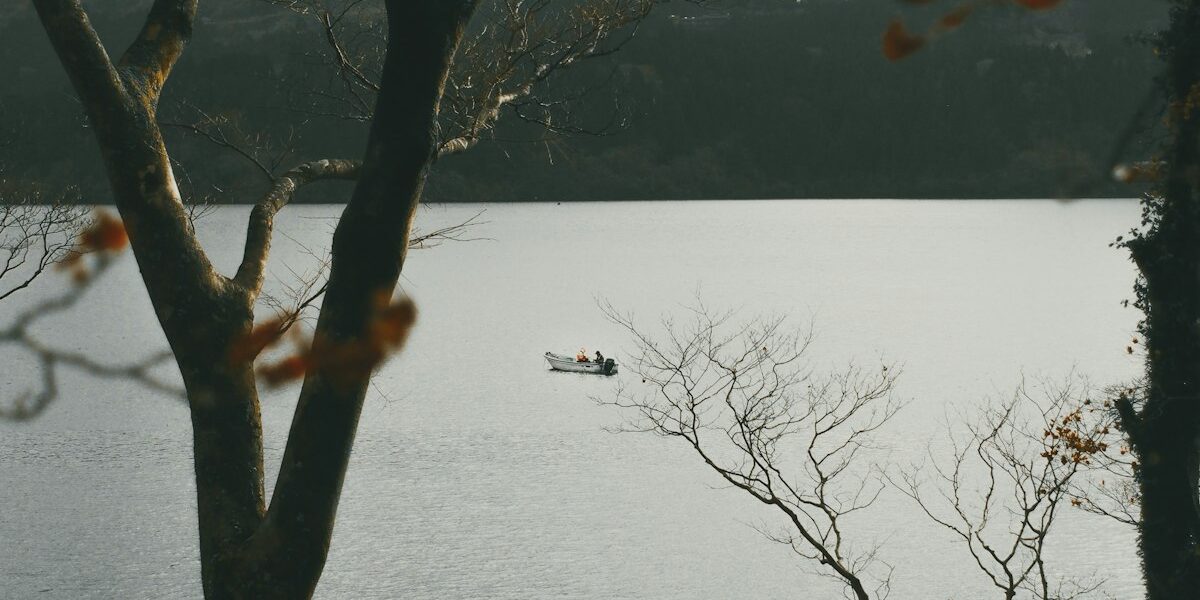
How to Plan a Fishing Adventure
How to Plan a Fishing Adventure
Planning a fishing trip has gotten complicated with all the apps, reservation systems, and gear recommendations flying around. As someone who’s organized fishing adventures from Alaska to the Keys, I learned everything there is to know about what actually matters versus what you can skip. Today, I will share it all with you.
Selecting Your Fishing Spot
Researching potential spots is the first step that determines whether you’ll have a great trip or a waste of time. Use maps and local fishing reports to narrow down options. Consider the type of fish you want to catch—coastal areas, lakes, rivers, and streams all offer different fishing experiences with different target species.
Look into accessibility before you get excited about a remote honey hole. Some spots require hiking or boating to reach, and you need to ensure you have the means to get to your chosen location. Check if the spot is family-friendly if you’re bringing kids along, because not all fishing destinations are suitable for children.
Understanding Local Regulations
Fishing regulations vary by region, and ignorance isn’t an excuse that’ll hold up with a game warden. Check local laws regarding permits and licenses. Some areas require licenses for fishing, while others are exempt. Know the limits on how many fish you can catch and what sizes are acceptable—slot limits can be confusing but they’re strictly enforced.
Consult the local fishing authority’s website before you leave home. Often, they provide downloadable guides you can save to your phone. Keeping a copy of these rules will prevent accidental fines or ecological harm. Probably should have led with this section, honestly—regulations should be step one, not step two.
Choosing the Right Gear
Your gear depends on the type of fishing you’ll be doing, not what looks cool in the tackle shop. Here are some common items you’ll actually need:
- Rod and Reel: Match these to the type of fish you are targeting, not your budget or ego.
- Tackle: Includes hooks, lines, and sinkers appropriate for your target species.
- Bait: Live bait or lures depending on the fish species and local preferences.
- Fishing Line: Choose an appropriate weight for the fish—too light and you’ll get broken off, too heavy and you won’t get bites.
- Additional Tools: Pliers, knives, and a tackle box to organize everything.
If you’re new to fishing, consider renting or borrowing gear instead of dropping hundreds on equipment you might not use again. As you become more experienced, you can invest in your own equipment based on what you actually need.
Planning Around the Weather
Weather significantly impacts fishing success more than any lure or technique. Check forecasts a week before your trip and again the night before. Look at wind speeds, precipitation, and temperature changes. Stable weather patterns usually offer better fishing conditions than rapidly changing systems.
Early morning or late evening are often the best times to fish when light levels are lower. Fish are more active during these periods and less spooky. Plan your trip to maximize time during these optimal windows instead of showing up at noon and wondering why nothing’s biting.
Packing Essentials
Besides fishing gear, pack for comfort and safety—fishing trips can turn miserable fast without the right supplies. Essential items include:
- Water and Snacks: Stay hydrated and energized, especially in hot weather.
- Sun Protection: Sunscreen, hats, and sunglasses to prevent burns and improve visibility.
- First Aid Kit: Basic medical supplies for minor injuries like hook punctures.
- Clothing: Dress in layers and bring waterproof gear even if rain isn’t forecast.
- Navigation Tools: Maps or a GPS device so you don’t get lost.
Considering the Type of Water Body
Rivers and streams often have moving water which can be challenging for beginners. Lakes and ponds have calm waters but may require a boat to reach productive areas. Ocean fishing can range from shoreline to deep-sea adventures requiring completely different gear and techniques. Each setting demands specific approaches.
Shore fishing requires different casting methods than boat fishing where you have more room to work. If possible, talk to locals or guides who fish the area regularly. They can offer valuable advice on the best techniques for the area that’ll save you hours of trial and error.
Getting Physical Preparation
Fishing can be physically demanding in ways that surprise people. You might have to walk or hike to your spot carrying gear, paddle a kayak for miles, or handle large catches that fight hard. Engage in regular exercise leading up to your trip if it’s particularly ambitious. Strengthen core muscles and increase stamina to handle the activity without getting worn out.
Learning Basic Fishing Techniques
Before heading out, understand basic fishing techniques so you’re not learning on valuable fishing time. Casting, reeling, and knot-tying are foundational skills that everyone needs. Plenty of online resources, videos, and books can teach you these techniques better than I can in text. Practice them at home or in a local park to gain confidence and muscle memory.
Making the Most of Your Time
Once you’re on your fishing adventure, time management becomes vital for success. Alternate between fishing spots if one area isn’t producing. Sometimes fish aren’t where you expect them to be, and stubbornly staying in one spot wastes time. Be patient but willing to experiment with different baits or lures.
Stay observant instead of just staring at your line. Look for signs of fish activity like splashes, jumping baitfish, or birds diving. These indicators can guide you to more fruitful fishing areas. That’s what makes fishing endearing to us anglers—it’s this constant observation and adaptation to what’s happening around you.
Recommended Fishing Gear
Garmin GPSMAP 79s Marine GPS – $280.84
Rugged marine GPS handheld that floats in water.
Garmin inReach Mini 2 – $249.99
Compact satellite communicator for safety on the water.
As an Amazon Associate, we earn from qualifying purchases.



Stay in the loop
Get the latest fish blog updates delivered to your inbox.