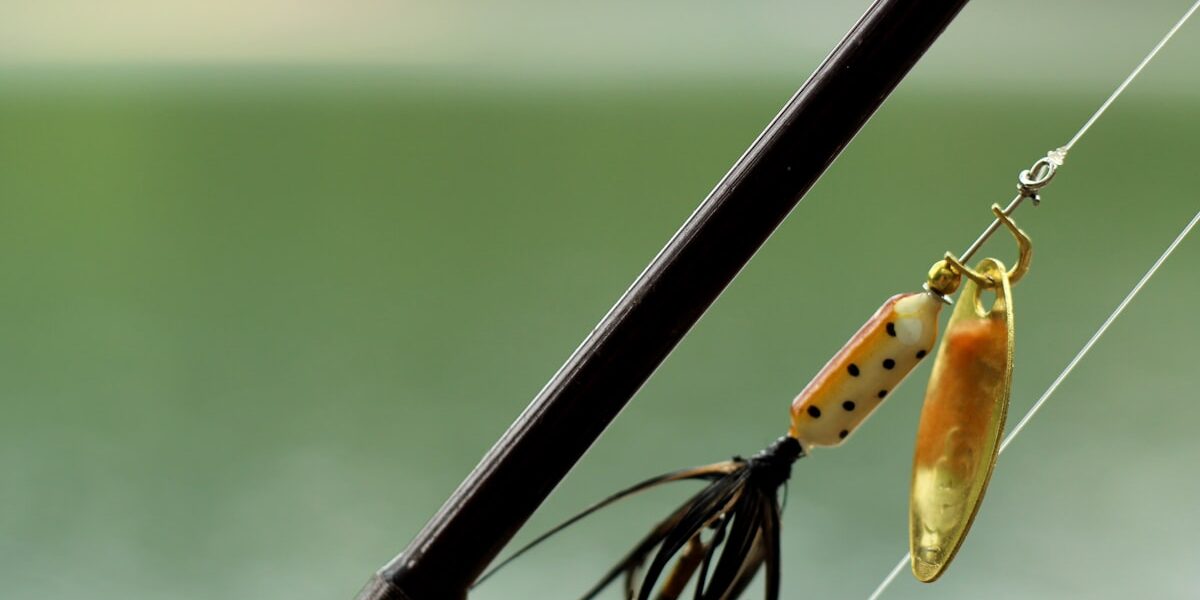
Docks hold fish consistently. They provide shade, cover, and ambush points. Learning to fish docks efficiently produces steady results throughout the season.
Why Docks Work
Shade attracts baitfish seeking cooler water. Pilings, cables, and ladders create structure. Accumulated debris underneath provides cover. Docks combine everything fish want in a compact area.
Prime Targets
Not all docks fish equally. Look for docks in deeper water, near drop-offs, or close to other structure. Docks with brush or boats underneath are better. Isolated docks in shallow water are often empty.
Skipping
Learning to skip baits under docks accesses fish others can’t reach. Sidearm casts with flat baits slide under walkways and platforms. Practice in your yard first – the skill takes time to develop.
Shadow Lines
Fish position along shadow edges where they can see prey in light while hiding in dark. Cast past shadows and bring your bait across the transition line. This is where most strikes occur.
Work It Thoroughly
Big docks have multiple productive zones. Fish the corners, the pilings, the deep end, the shallow end. Make multiple casts at different angles. One pass rarely reveals everything a dock holds.
Weedless Essential
Docks accumulate line, hooks, and debris. Weedless presentations save tackle and frustration. Texas rigs, jigs, and weedless frogs move through obstacles that would hang exposed hooks.
Seasonal Adjustments
Docks fish best when fish need shade – bright summer days especially. Spring spawners use docks for bedding areas. Fall fish stage near docks before moving deep. Winter dock fishing is tougher but still possible.



Stay in the loop
Get the latest fish blog updates delivered to your inbox.