
Catch and release keeps fisheries healthy, but doing it wrong kills fish anyway. Here’s how to release fish that actually survive.
Time Matters
Every second out of water stresses fish. Get hooks out fast. Have your tools ready before the fish arrives. Skip the lengthy photo session – a quick picture is fine, a five-minute Instagram shoot isn’t.
Handle Carefully
Wet your hands before touching fish. Dry hands strip protective slime that prevents infection. Support the body horizontally – don’t hang fish vertically by the jaw, especially big ones. Internal organs get damaged.
Hook Removal
Barbless hooks slide out instantly. If you’re using barbed hooks, invest in good hemostats or pliers. Deep-hooked fish are tricky – sometimes cutting the line is kinder than digging around. The hook dissolves eventually.
Revive Before Release
Exhausted fish need help. Hold them upright in the water, facing into current if available. Wait until they kick away strongly. Fish that float sideways or sink often don’t make it.
Temperature Awareness
Warm water holds less oxygen. Fish caught in summer heat are already stressed. Handle them even faster. Cold water fish like trout are particularly vulnerable when water warms up.
Consider Keeping
If a fish is bleeding badly or clearly won’t survive, keeping it for dinner is more ethical than releasing it to die slowly. Regulations usually allow this. Don’t waste the fish.
Right Tackle
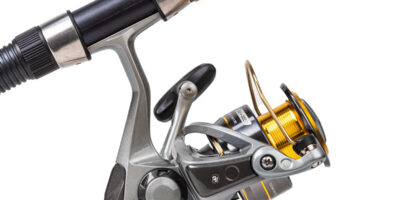
Landing fish quickly reduces exhaustion. Don’t use ultralight gear for big fish just for the fight – a long battle often means a dead fish after release. Match your tackle to your target.



Stay in the loop
Get the latest fish blog updates delivered to your inbox.