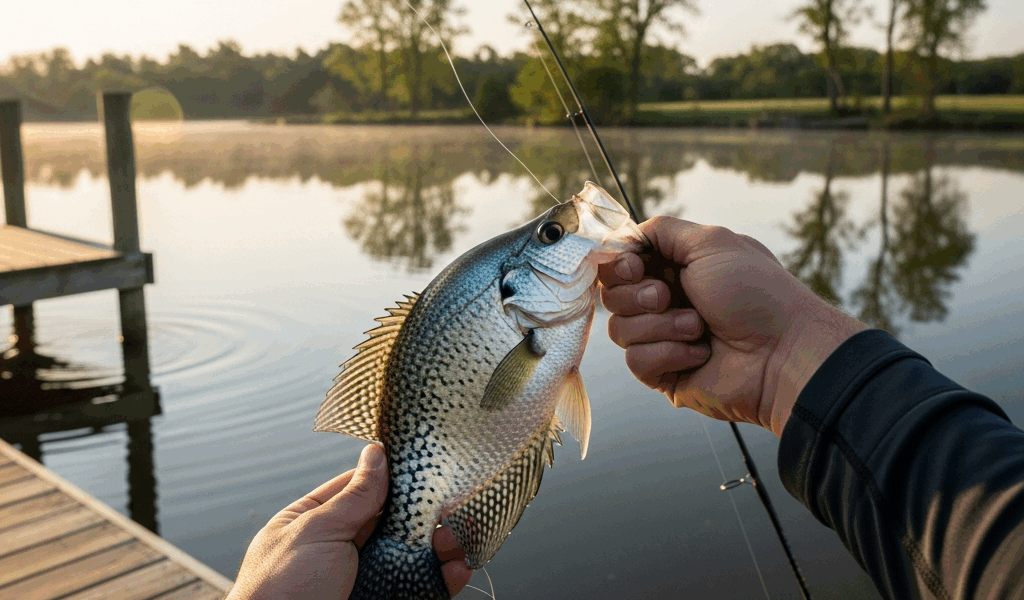
You are standing at the dock with a spinning rod and a tackle box stuffed with bass lures, wondering if crappie fishing is worth the effort. Short answer: absolutely. Crappie school in predictable locations, hit aggressively when you find them, work on lightweight gear, and taste better than nearly any freshwater fish you can pull from a lake. The learning curve is way shorter than most fishing articles suggest.
This article includes affiliate links. We may earn a commission at no extra cost to you.
Why Crappie Are Perfect for Beginners
Crappie travel in schools. Find one and you have usually found twenty. Every spring they push into predictable shallow spots to spawn, which means you can locate them without a $2,000 fish finder or a decade of lake experience. Ultralight gear is all you need, the fight is genuinely fun, and a plate of fresh crappie fillets is one of the best meals a lake can produce. I have watched people who have never held a fishing rod catch their limit on crappie within an hour. That does not happen with bass.
The Right Gear: A Setup That Works
The biggest beginner mistake is gear that is too heavy. Crappie have paper-thin mouths. A stiff rod rips the hook out on the set. Heavy line does the same thing. You need to go light.
Get a 6 to 7 foot ultralight spinning rod with a small matching reel. Spool with 4 to 6 pound monofilament — not braid. Mono stretches, and that stretch works as a shock absorber when you set the hook on those delicate mouths. Braided line has zero give and pulls through paper lips until you develop the touch for a soft hookset.
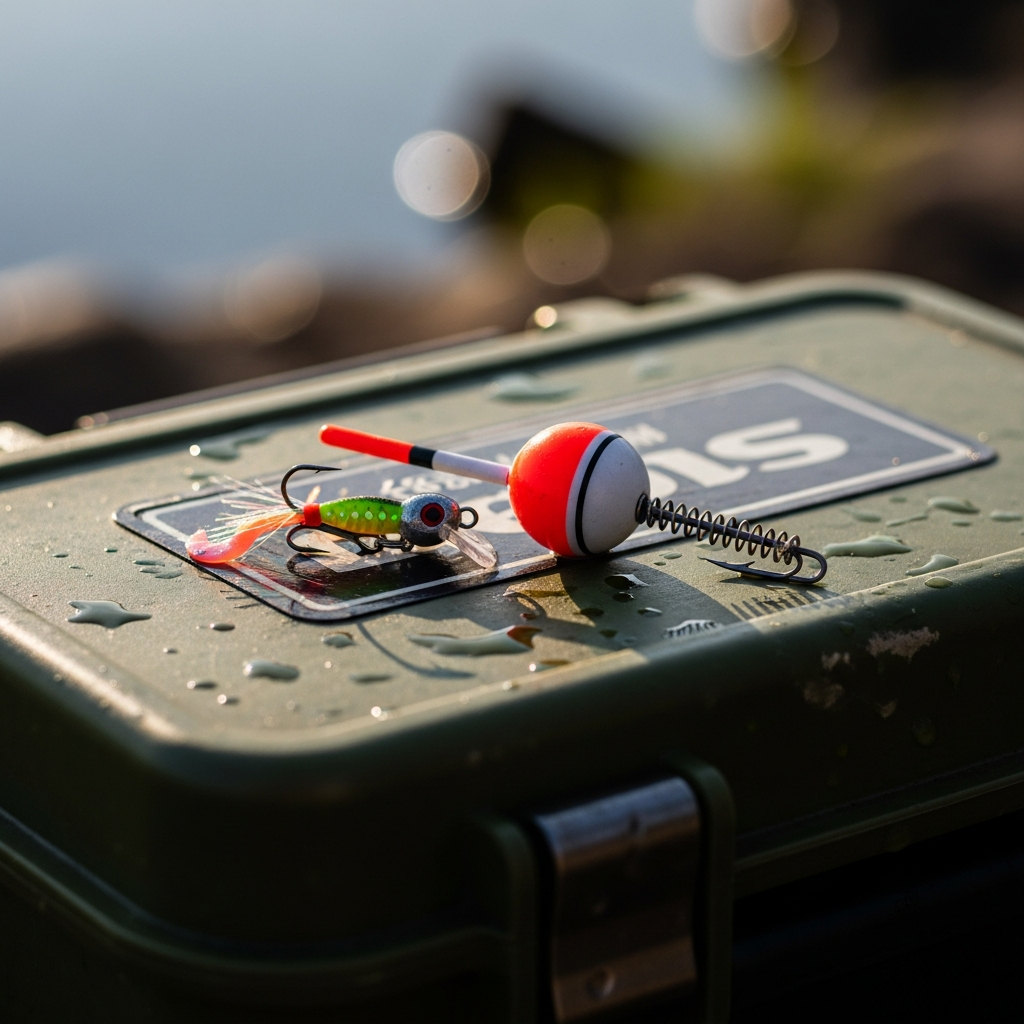
Jigheads: 1/32 ounce in cold water when fish are lethargic, 1/8 ounce in warmer months when crappie are feeding actively and holding deeper. White and chartreuse tube jigs in clear water, darker colors — black, brown, purple — in stained or murky water. Two packs of tubes and a handful of jigheads in two sizes covers about 90 percent of the situations you will face in your first season.
Where Crappie Live: Seasonal Location Guide
Spring (pre-spawn and spawn): Prime time and the reason crappie have such a devoted following. They move shallow — 2 to 8 feet — and stack up around structure. Docks, brush piles, fallen trees, submerged timber, anything that breaks the bank line. North-facing shorelines warm first on most lakes, so those docks hold fish earliest. Walk the bank, drop a jig next to every piling, and you will find them. Some docks hold five fish, some hold fifty. No way to know except casting.
Summer: Once water passes 70 degrees, crappie pull deeper. They suspend under docks, park in the thermocline, hold at 10 to 20 feet. Find a dock with shade and a quick drop into deep water — summer crappie live right there. Vertical jigging straight down next to the pilings becomes the go-to method.
Fall: As water cools back through the 60s, the pattern reverses. Crappie push shallower again. Brush piles and fallen timber in 6 to 12 feet turn productive. Fall fishing can be just as good as spring with a fraction of the pressure — most anglers have packed it in for the year.
Winter: Deep, slow, minimal movement. Crappie hold at 20 feet or deeper, barely interested. 1/32 ounce jigs fished painfully slow — sometimes just hanging dead still — pick up bites. Winter crappie demand patience. The trade-off: winter fish are often the largest of the year.
The Jigging Technique That Works
Here is the core mechanical insight that separates catching crappie from not catching crappie: they suspend at a specific depth. Not on bottom. Not at the surface. They hang at whatever depth the temperature and baitfish dictate on that particular day. Your entire job is finding that depth.
Set a small bobber at 5 feet. Cast near structure. Let the jig hang motionless for 30 to 60 seconds. No bite? Move the bobber down 2 feet. Try again. Keep dropping in 2-foot increments until something hits. Once you catch one crappie at a given depth, set every single cast to that exact depth. The whole school is holding at the same level. You can fill a stringer without moving your feet.
The bite is subtle. A light tap. The bobber barely dips sideways. Nothing dramatic like a bass pulling the bobber under. Any movement that was not there before — set the hook with a gentle rod lift, not a hard snap. Those thin mouths tear on aggressive hooksets.
Fishing Docks, Brush Piles, and Structure
Crappie relate to vertical structure, not open water. Three spot types produce consistently all year.
Docks: Cast parallel along the dock, work the shadow side. Drop your jig at each piling and let it settle to your target depth. The shaded side almost always holds more fish, especially midday when sun pushes crappie into cover. Work every dock systematically — skip one and you might walk past the school of the day.
Brush piles: Sunken brush is a crappie magnet. Many states sink brush piles deliberately and publish GPS coordinates — check your DNR website. Position directly above the pile and drop your jig straight down. Vertical presentation keeps you out of the snags while putting the bait inches from the fish.
Bridge pilings: Same method as docks. Cast parallel, work each piling, focus on the side where current breaks and creates slack water. Bridge pilings often hold crappie year-round because they reach into deeper water — when dock fish move out in summer, bridge pilings become the reliable backup.
The pattern: crappie hold tight to vertical structure at a consistent depth. Find the structure, dial in the depth, and you have found the fish. Everything else is repetition.

Stay in the loop
Get the latest fish blog updates delivered to your inbox.